Modern eating habits have dramatically changed over the last few decades. Sugary beverages, refined snacks, packaged meals, and fast food are now a routine part of daily life. While these foods are convenient and appealing, frequent consumption can silently damage one of the body’s most vital organs, the liver.
Over time, a diet high in sugar and processed foods significantly increases the risk of developing fatty liver disease and worsens its progression. Understanding how this happens is the first step toward prevention and recovery.
What Is A Fatty Liver?
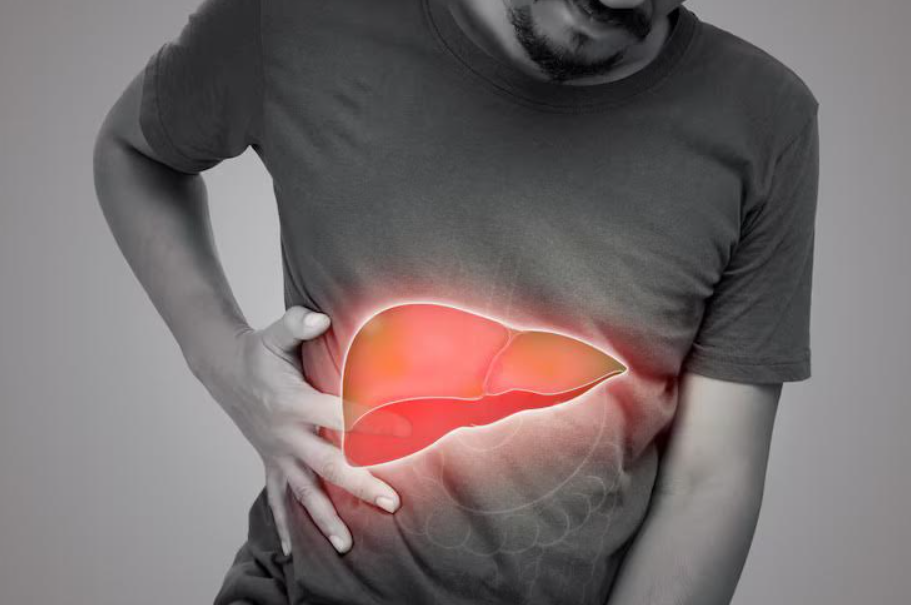
Fatty liver, medically known as Nonalcoholic fatty liver disease (NAFLD), occurs when excess fat accumulates inside liver cells. A small amount of fat in the liver is normal. However, when fat makes up more than 5–10% of the liver’s total weight, it becomes a medical concern. There are two main types:
- Alcohol-related fatty liver disease
- Non-alcoholic fatty liver disease (NAFLD)
NAFLD is not caused by alcohol consumption. Instead, it is strongly linked to poor diet, obesity, insulin resistance, and metabolic disorders. If untreated, fatty liver can progress to inflammation, scarring (fibrosis), and in severe cases, cirrhosis.
See also: Transform Your Home with Skylights for Gentle Roof Slopes
What Are The Symptoms Of Fatty Liver Disease?
Fatty liver disease is often called a “silent condition” because many individuals experience no noticeable symptoms in the early stages. It is frequently detected during routine blood tests or abdominal scans. As the condition advances, symptoms may include:
- Persistent fatigue
- Mild discomfort in the upper right abdomen
- Unexplained weight gain
- Brain fog
- Elevated liver enzymes
In more serious cases, swelling, jaundice, and severe weakness may occur. Early diagnosis plays a crucial role in effective management.
What Leads To Fatty Liver?
Several lifestyle and metabolic factors contribute to the development of fatty liver disease.
Excess Sugar Intake
High consumption of added sugars, especially fructose found in sodas, sweets, and packaged juices, places significant stress on the liver. Unlike glucose, fructose is primarily processed in the liver. When consumed in excess, it is converted into fat through a process known as de novo lipogenesis. Over time, this leads to fat accumulation within liver cells.
Processed and Refined Foods
Highly processed foods are typically rich in refined carbohydrates, unhealthy fats, and artificial additives. These ingredients spike blood sugar levels and increase insulin resistance. When insulin resistance develops, the liver struggles to regulate fat metabolism properly, leading to further fat storage.
Obesity and Sedentary Lifestyle
Excess body weight, particularly abdominal fat, is strongly associated with fatty liver. A lack of physical activity worsens insulin resistance and reduces fat-burning efficiency.
In cases where lifestyle changes are not enough, individuals may seek specialized fatty liver disease treatment in Coimbatore to manage complications and prevent progression. Early medical guidance can help design a structured plan tailored to individual metabolic health needs.
How Can Fatty Liver Disease Be Treated?
The encouraging news is that fatty liver disease, especially in its early stages, is reversible with consistent lifestyle changes.
Reduce Added Sugars
Eliminate sugary drinks, desserts, and refined snacks.
Focus on Whole Foods
Include vegetables, fruits, whole grains, nuts, seeds, and lean proteins. Fiber-rich foods improve blood sugar control and insulin sensitivity.
Exercise Regularly
Engage in at least 30–45 minutes of moderate physical activity most days of the week.
Achieve Gradual Weight Loss
Losing 5–10% of body weight can significantly reduce liver fat and inflammation.
Manage Stress and Sleep
Quality sleep and stress reduction improve metabolic balance.
For individuals with advanced conditions, consulting specialists at the best liver hospital in Coimbatore can provide comprehensive evaluation and structured care. Early intervention prevents progression and improves long-term outcomes.
Conclusions
Fatty liver disease is largely driven by lifestyle factors, particularly excessive sugar intake and processed food consumption. While it often develops silently, its long-term effects can be serious if ignored.
The positive takeaway is that fatty liver is preventable and often reversible. By reducing added sugars, limiting processed foods, staying active, and maintaining a healthy weight, liver health can be restored.
Your liver works tirelessly to protect your body. Supporting it through mindful dietary choices today can prevent significant health challenges in the future.