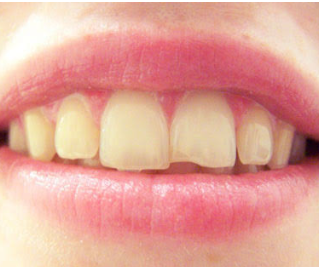
It probably happened fast. One second you were biting into something, talking, or maybe you took an unexpected hit to the mouth. The next second you felt that sharp edge or heard that tiny crack. Now your tongue will not stop checking the chipped spot, and your mind is racing with questions about pain, cost, and what this means for your smile and whether you might need cosmetic dental services in Streamwood, IL.end
You might be feeling anxious, embarrassed, or even a little panicked. A chipped tooth can make you feel suddenly fragile, as if something basic you counted on has let you down. That feeling is real. At the same time, most chipped teeth can be stabilized and repaired, especially if you take calm, smart steps in the first few hours.
Here is the short version so you can breathe for a moment. Rinse and protect your mouth. Save any broken pieces if you can. Control pain and sensitivity. Avoid using that tooth. Then contact a general or emergency dentist as soon as possible. The sooner you act, the more options you usually have to fix the damage and protect the tooth.
So, where does that leave you right now, sitting with this sudden chip and a lot of worry.
Why a chipped tooth feels so scary and what is really going on
A chipped tooth often feels bigger than it looks. You might be imagining the worst, from losing the tooth to needing major treatment. The truth is that chipped teeth come in different levels of seriousness, and not every chip is an emergency, although they all deserve attention.
For example, if you only lost a tiny piece of enamel, the tooth might look rough or slightly uneven, but you may feel little or no pain. A dentist can often smooth or bond that kind of broken or chipped tooth in a single visit. On the other hand, if the chip is deep and you see a dark or red spot in the center of the tooth, that can mean the inner nerve is exposed. That kind of injury is more urgent and can be very painful.
Because of this range, people often get stuck. They wonder if they should rush to an emergency dentist, ignore it and hope it goes away, or try some kind of quick fix at home. While you are deciding, the tooth is still vulnerable. Sharp edges can cut your tongue or cheeks, cracks can spread, and bacteria can slip into the damaged area and start tooth decay. You can learn more about how decay harms teeth over time from the National Institute of Dental and Craniofacial Research at this overview of tooth decay.
So the real tension is this. You do not want to overreact and spend money you do not have, but you also do not want to ignore something that could turn into a root canal or extraction later. That is where a simple plan for the first few hours makes all the difference.
Is this really an emergency or can it wait a bit
Before you assume the worst, it helps to sort your situation into one of two broad groups. There are true emergencies, and there are urgent but not life altering problems. A true dental emergency often includes intense pain, uncontrolled bleeding, or a tooth that has been knocked out or badly broken. The American Dental Association has helpful examples of dental emergencies at this dental emergencies resource.
A chipped tooth that is not very painful and is not causing heavy bleeding might not require a late night trip to an emergency clinic. It still needs attention, just not necessarily within the hour. You can also see photo examples of what different dental problems look like at this guide to common dental issues, which can help you compare what you see in the mirror.
On the emotional side, there is the shock of seeing your tooth changed and the worry about your appearance. If the chip is on a front tooth, you might feel self conscious about smiling or talking. That can affect work, social plans, or even how you show up for important events. On the financial side, people often fear that any repair will be expensive. The real cost can vary a lot depending on whether you need a simple filling, bonding, a veneer, or a crown.
So how do you make steady, confident choices when your mind is spinning.
Comparing quick fixes at home with professional care
There is a strong temptation to patch things up yourself, especially if you are worried about money or cannot get an appointment right away. Some people try to file the tooth, glue the broken piece back, or use household products. That can backfire and make the eventual repair more complicated.
To give you a clearer picture, here is a simple comparison between common “do it yourself” reactions and what a general and emergency dentist can offer.
| Approach | What people often do | Short term result | Risks | When it makes sense |
|---|---|---|---|---|
| DIY comfort only | Rinse with water, use over the counter pain relief, avoid chewing on that side | Reduces pain and irritation for a few hours | Problem still progresses, chip may worsen, decay can start in exposed area | As a temporary step while arranging dental care |
| DIY “repair” attempts | Super glue, filing tooth, biting on hard objects to “even it out” | May change how it feels, but rarely stable | Chemical burns, swallowing fragments, cracking tooth further, harming gums | Never recommended |
| Pharmacy temporary materials | Use dental wax or temporary filling material as directed on package | Covers sharp edges, reduces sensitivity for a short time | Can trap bacteria if left too long, may fall out while eating | Short term comfort until a dental visit, not a final fix |
| Professional care | Visit a general or emergency dentist for exam and X rays | Accurate diagnosis, tailored repair such as bonding, filling, veneer, or crown | Requires time and cost, although often less than fixing a worsened problem | Best option for protecting the tooth and your long term oral health |
If you are unsure whether what you are feeling counts as an emergency, you can review common scenarios at this dental emergencies overview, then call a dental office and describe your symptoms.
5 things to do immediately after you chip a tooth
In the middle of the stress, having a simple checklist can calm your mind. These five steps can help protect your tooth and your comfort until you can see a dentist for chipped tooth repair or another appropriate treatment.
1. Rinse your mouth gently and check for other injuries
Start by rinsing with warm water. This clears out tiny fragments, food, or blood so you can see what you are dealing with. Do not swish forcefully. Just let the water move around your mouth and then spit it out.
Look in a mirror if possible. Check for cuts on your lips, tongue, or cheeks. If there is bleeding from the gum or soft tissue, apply gentle pressure with clean gauze or a soft cloth. If bleeding is heavy or will not slow after 10 to 15 minutes of gentle pressure, seek urgent medical care.
2. Save any broken pieces if you can find them
If you can see a larger piece of the tooth that broke off, pick it up carefully and rinse it with clean water. Do not scrub it. Place it in a small container with milk or your own saliva. In some cases, a dentist can use that piece as part of the repair, or at least use it to understand how the tooth broke.
If you cannot find anything, do not panic. Many chipped teeth are repaired beautifully without the missing piece.
3. Protect the tooth and reduce pain
A chipped tooth can feel very sensitive to air, temperature, and touch. You can take an over the counter pain reliever as directed on the label if you are able to do so safely. Avoid placing aspirin directly on the gum or tooth. That old advice can actually burn the tissue.
If the edge of the tooth is sharp and keeps cutting your tongue or cheek, you can place a small amount of dental wax or temporary filling material from a pharmacy over the edge. Follow the package instructions. This is just a bandage, not a repair, but it can make talking and eating a little easier until your appointment.
Try to chew on the opposite side of your mouth. Avoid very hot, very cold, hard, or sticky foods. These can trigger more pain and may break the tooth further.
4. Call a general or emergency dentist for guidance
Even if you think the chip is small, contacting a dentist is one of the most important steps. Describe what happened, what the tooth looks like, and how much pain you are in. Include any sensitivity to hot or cold, or pain when biting down.
The dental team can help you decide how urgent your situation is. They might offer a same day emergency visit, or schedule you soon for evaluation and repair. They can also suggest safe ways to manage pain until they see you. If you want a better sense of what different tooth problems can look like before you call, you can review photos at this visual guide to dental issues.
5. Plan for follow up care, not just the quick fix
Once the immediate fear settles, try to think a step ahead. Ask the dentist about the strength of the remaining tooth, the chance of future cracks, and whether you grind your teeth or have habits that might have contributed to the chip. Sometimes a chipped tooth is the first sign of worn enamel or clenching at night.
That kind of conversation can help you choose the right repair, from simple bonding to a crown, and also protect your other teeth from similar problems. General and emergency dentist care is not only about fixing today’s damage. It is also about lowering the chance that you will face the same stress again.
See also: Technology-Enabled Learning Accessibility
Moving forward with more confidence and less fear
A chipped tooth can turn an ordinary day into a swirl of worry. You might feel frustrated that something so small can throw off your plans and your peace of mind. Those feelings are understandable. You are not overreacting. Your smile and your comfort matter.
The good news is that with calm, early action, most chipped teeth can be repaired in a way that looks natural and feels strong. By rinsing, protecting the area, managing pain wisely, and contacting a dentist promptly, you give yourself the best chance for a simple, lasting solution.
You do not have to figure out every detail alone. Reach out to a trusted general or emergency dentist, describe what you are experiencing, and ask what they recommend next. That single step can turn a scary moment into a manageable plan, and help you get back to eating, smiling, and speaking without that constant reminder of the chip.