You might be a few days or weeks out from your dental implant surgery, checking the area in the mirror, wondering if things are really healing the way they should. Maybe you expected to feel “normal” by now, but you are still sore, still a bit swollen, or just unsure if this is on track or a sign that something is wrong—and that’s when many people decide it’s time to call Grand Rapids dentists for reassurance and guidance.
That worry is very common. You invested time, money, and trust into this treatment, and now you are stuck in the waiting period, watching every change and asking yourself if your implant is healing or if something is slowing it down.
The short version is this. Most implants heal well, but healing can be delayed by a few key factors. Three of the biggest are smoking and poor blood flow, uncontrolled medical conditions such as diabetes, and stress on the implant from infection or biting forces too soon. The good news is that many of these can be managed or improved with some clear steps and close communication with your dentist or surgeon.
So where does that leave you right now. It starts with understanding what can interfere with that implant bonding to your bone, and what you can still do to support better healing today.
What does “normal” dental implant healing look like?
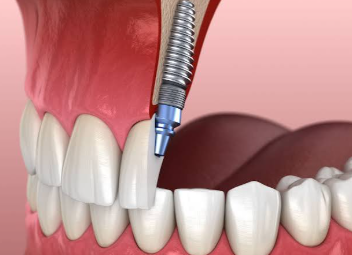
Before talking about what slows healing, it helps to know what usually happens when things go well. After an implant is placed, your body starts a long process called osseointegration. That simply means bone cells grow and attach to the surface of the implant, locking it in place.
According to resources from academic centers such as the University of Illinois Chicago’s oral and maxillofacial surgery patient information, this process often takes several months. Early on you might feel soreness and see some swelling. Over time, the area should become more comfortable, and the gum should tighten around the implant.
So if healing usually moves steadily forward, what are the main things that can slow it down.
1. How smoking and poor blood flow slow implant recovery
Think of blood supply as the delivery system for healing. It carries oxygen, immune cells, and nutrients right where your body needs them. When blood flow is reduced, everything that supports healing moves slower.
Smoking is one of the strongest risk factors for delayed dental implant recovery. It tightens blood vessels, lowers oxygen in the blood, and irritates the tissues that are trying to repair themselves. This increases the chance of infection and can reduce the success rate of the implant bonding to bone.
Even if you consider yourself a “light” smoker or only vape, your mouth is still exposed to heat, chemicals, and changes in circulation. That can mean more pain, more swelling, and a longer wait until your dentist feels confident placing the final crown.
Where does that leave you if you are already a smoker who has had an implant placed. The best time to stop or cut back is always now. Even a break from smoking in the weeks before and after surgery can improve the healing environment and reduce the risk of long term problems.
2. Why medical conditions like diabetes can delay dental implant healing
Another major factor is your overall health. Conditions that affect your immune system or blood sugar can quietly slow down the healing process, even if your mouth looks fine from the outside.
Diabetes is a common example. High or unstable blood sugar affects the tiny blood vessels that feed your gums and bone. It also makes it harder for your body to fight infection. That is why people with poorly controlled diabetes often need more time to heal after surgery, including dental implants.
Other conditions that can affect healing include autoimmune diseases, certain blood disorders, and medications like steroids or drugs for osteoporosis. Some of these medications change how your bone remodels and repairs itself, which can influence how quickly an implant becomes stable.
The American Academy of Oral Medicine offers helpful explanations about dental implants and medical conditions. If you recognize yourself in any of these descriptions, it does not mean you cannot have implants. It simply means planning and healing may need more time and closer monitoring.
So if you are managing a health condition and feel like your implant recovery is dragging, you are not imagining it. Your body may simply need extra support and a slower timeline to get where it needs to be.
3. Infection and early pressure on the implant
The third big factor is stress on the implant site, especially in the early weeks. Your implant needs a quiet, stable environment to bond with the bone. Anything that disturbs that can delay healing or even cause the implant to fail.
Two common problems are infection and biting forces too soon. Infection can start if bacteria collect around the implant, especially if brushing and rinsing are not gentle but thorough. Signs can include increased pain after things had started to feel better, new swelling, bad taste, or pus around the area.
Pressure on the implant can also be a problem. This might happen if you chew hard foods on that side, clench or grind your teeth at night, or if a temporary tooth on the implant is too high and takes too much force when you bite.
Detailed post surgery instructions, such as those in this dental implant surgery guide, explain why soft foods, good hygiene, and avoiding smoking and heavy exercise matter so much. They are not just suggestions. They are ways to protect the investment your body is making in this new root.
If you feel something is rubbing, the bite feels off, or your pain suddenly spikes after a period of improvement, that is a sign to contact your implant and family dentist or surgeon rather than wait and hope it settles.
Are these delays normal or a red flag? A quick comparison
It can be hard to know if what you are feeling is part of normal healing after dental implant surgery or something that needs attention. This simple comparison can help you decide when to watch and when to call.
| Healing sign | Often normal | Needs a call to your dentist |
|---|---|---|
| Pain | Mild to moderate pain that improves each day during the first week | Pain that suddenly gets worse after improving, or pain that stays strong beyond 7 to 10 days |
| Swelling | Swelling that peaks in 2 to 3 days, then slowly goes down | New swelling after a week, or swelling with fever or difficulty swallowing |
| Bleeding | Light oozing the first 24 hours | Bright red bleeding that does not slow with gentle pressure |
| Bite and chewing | Using the other side of your mouth, avoiding hard foods | Chewing directly on the implant, feeling the implant move or click |
| General healing time | Several months before the final tooth is placed | No sign of progress, or repeated infections around the implant |
If you are unsure where you fit, it is always safer to ask. A quick check can save you from bigger problems later.
Three steps you can take right now to support better implant healing
1. Protect the area and follow the “boring” instructions
The small things add up. Stick to soft foods on the opposite side. Avoid chewing on ice, nuts, or tough meat near the implant. Brush gently around the area as directed, and use any prescribed rinses exactly as told. These habits reduce stress on the implant and lower your infection risk, which helps your dental implant treatment stay on track.
2. Be honest about smoking and health conditions
If you smoke or vape, consider this a window to cut back or stop, even if only for the healing period. Your body will thank you. If you have diabetes or another medical condition, stay on top of your medications and appointments. Good blood sugar control and stable health can make a real difference in how quickly your mouth recovers.
3. Stay in close contact with your implant and family dentist
Delayed healing does not always mean failure. It often just means your dentist needs to adjust the plan. That might be more time before placing the final crown, a bite adjustment, an antibiotic, or a special cleaning around the implant. Speak up about any changes you notice, even if they feel small. Early action gives your body the best chance to finish the healing process well.
See also: Boost Your Business with a Leading Website Company in Dubai
Moving forward with more confidence
It is completely understandable to feel uneasy when healing does not match the timeline you had in your head. You wanted this implant to bring comfort and confidence, not months of second guessing. Remember that your body is doing complex repair work, and sometimes it simply needs more time and a bit more support.
By understanding the three big things that can delay healing, you are already more prepared than most people. You know that smoking and blood flow matter. You know your medical history plays a role. You know that infection and pressure on the implant are not things to ignore.
If you are worried about how your implant is healing, reach out to your care team, ask your questions, and keep the conversation open. The goal is the same on both sides. A stable, healthy implant that feels like a natural part of your smile for years to come.