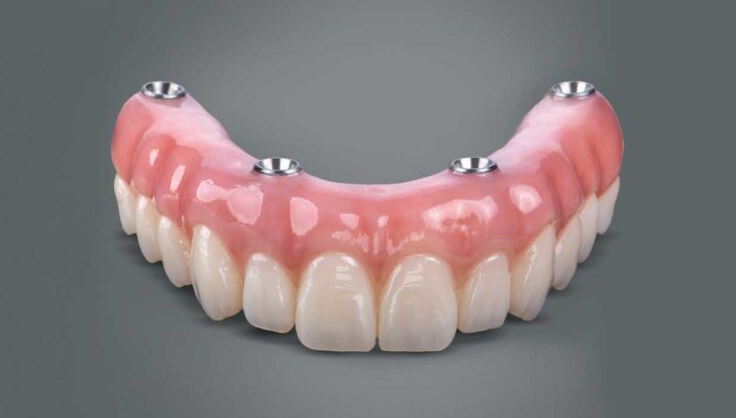
You might be looking at a treatment plan, a photo, or a model of your future smile and wondering why there is pink material near a dental implant at all. If that sounds familiar, you are not overthinking it. When you expect a tooth replacement to look white and tooth shaped, seeing pink ceramic can feel confusing at first, especially if you are considering a dental implant in Walnut Creek. You may be asking whether it is cosmetic, whether it is safe, and whether it means something went wrong. The short answer is that pink ceramic near implant restorations is often used to replace the look of lost gum tissue, especially when the natural gum line has changed after tooth loss, trauma, or bone shrinkage.
That matters because implant treatment is not only about replacing a missing tooth. It is also about how the tooth meets the gum, how your smile looks when you talk, and how easy the area is to keep clean. Pink ceramic implant restorations can help create a more natural appearance in the right case, but they are not the right choice for everyone. Knowing why they are used, what the tradeoffs are, and what questions to ask can help you feel more steady before you move forward.
Why would an implant restoration need pink ceramic in the first place?
When a tooth has been missing for a while, the bone and gum in that area can shrink. Even with careful planning, an implant crown may not always emerge from the gum in a way that looks full and natural on its own. Because of this, your dentist may suggest adding pink porcelain or ceramic to copy the look of gum tissue. In simple terms, it helps fill the visual gap between the restoration and your existing gums.
This is often considered in the front of the mouth, where even a small change in gum shape can show when you smile. It can also be useful when surgery to rebuild gum and bone would be difficult, costly, or unlikely to produce the result you want. So, where does that leave you? Usually with a choice between trying to rebuild tissue surgically, using restorative materials to create the appearance of tissue, or combining both approaches.
If you are still learning the basics of implants, the FDA offers a helpful overview of what patients should know about dental implants, including benefits, risks, and follow up care.
See also: 5 Ways Periodontics Improves Quality Of Life For Patients
What are the benefits and limits of pink ceramic near implants?
The biggest benefit is appearance. A well designed pink porcelain near implants restoration can soften dark spaces, improve symmetry, and make a replacement tooth blend better with the rest of your smile. For some patients, that means avoiding extra surgeries and still getting a result that feels more natural in everyday life.
There is also a functional side to it. When the contours are shaped well, the restoration can support the lips and reduce the hollow look that sometimes happens after tissue loss. That can make a real difference in photos, speech, and confidence.
But there are limits, and they matter. Pink ceramic does not regrow gum tissue. It creates the look of tissue. That means success depends heavily on design, placement, bite forces, and cleaning access. If the area is bulky or hard to floss and brush, plaque can collect around the implant. Over time, that can increase the risk of inflammation. Good home care is essential, and so are regular professional checks.
Basic oral care guidance from the NIH can help you understand the daily habits that protect both natural teeth and implant work. You can review how to take care of your teeth and mouth and the National Institute of Dental and Craniofacial Research page on oral hygiene.
How does pink ceramic compare with gum grafting or a standard implant crown?
It helps to think of this as a balance between appearance, biology, cost, and maintenance. One option may look best in a sketch, while another may fit your anatomy and long term care better. That is why a thoughtful implant and cosmetic dentist will look at your smile line, bone level, gum thickness, and cleaning habits before recommending a plan.
| Option | Best For | Main Benefit | Main Tradeoff |
|---|---|---|---|
| Standard implant crown only | Cases with strong bone and healthy gum shape | Simple, natural tooth focused design | May leave dark spaces or longer looking tooth if tissue is missing |
| Pink ceramic near implant restorations | Visible tissue loss where appearance matters | Can copy missing gum and improve smile balance without more surgery | Needs careful design and cleaning access to reduce plaque buildup |
| Gum or bone grafting with implant restoration | Patients who want to rebuild tissue and are good surgical candidates | May improve natural tissue contours | More healing time, more cost, and results can vary |
A real world example can make this easier to picture. Imagine you lost a front tooth years ago and the gum line shrank. A regular crown alone might look too long. A graft might help, but not fully. In that case, a ceramic and tissue colored restoration may offer the best visual result with fewer procedures. On the other hand, if the missing tooth is in a lower smile zone and the tissue loss is minor, a standard implant crown may be enough.
What should you do before saying yes to this type of implant restoration?
Ask to see a smile level mockup. Photos, digital scans, and temporary designs can show how the pink ceramic will appear when you talk and smile. This helps you avoid surprises and gives you a clearer sense of whether the result matches your goals.
Ask how you will clean around it every day. A good result should not only look right. It should also be maintainable. Ask whether you will need floss threaders, small brushes, or other tools, and ask for a hands on demonstration.
Ask about the long term plan. Some restorations may need adjustment, repair, or replacement over time. Ask what signs of trouble to watch for, how often you should return for checks, and what happens if the gum around the implant changes later.
How can you feel more confident about the decision?
If you are weighing gum colored ceramic around dental implants, the goal is not perfection on paper. It is a result that looks believable, feels comfortable, and stays healthy over time. The best choice depends on your anatomy, your smile, and what level of treatment you are willing to take on. When you understand that pink ceramic is often a thoughtful design choice rather than a red flag, the whole plan can feel less intimidating.
Take your time, ask direct questions, and make sure your implant and cosmetic dentist explains both the beauty and the maintenance side of the work. A calm, informed decision now can spare you stress later and help you move toward a smile that feels like your own.