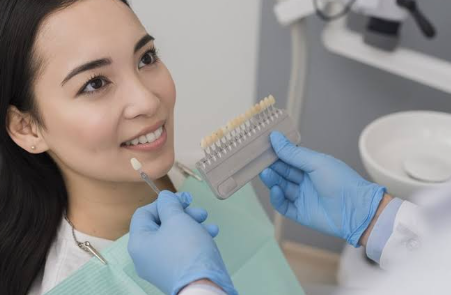
You settle into the chair for a routine cleaning, and then your dentist lifts your tongue, looks along the roof of your mouth, and spends a few extra seconds studying places you barely think about. It can feel oddly specific, even a little unsettling, especially if you were expecting a quick polish and a reminder to floss. That part of the exam is not random. Those tissues can show early signs of problems that are easy to miss on your own, including irritation, infection, cysts, and in some cases oral cancer. This is one reason providers who offer cosmetic dental care in Owatonna also pay close attention to your overall oral health during every visit.
The short version is simple. A general dentist is not only checking teeth. Your dentist is also checking the soft tissues that support your whole mouth, because changes on the palate and under the tongue can be one of the first clues that something needs attention. That is one reason dentists check the roof and floor of your mouth even when you came in for what feels like a basic visit.
The roof and floor of your mouth can reveal early health changes
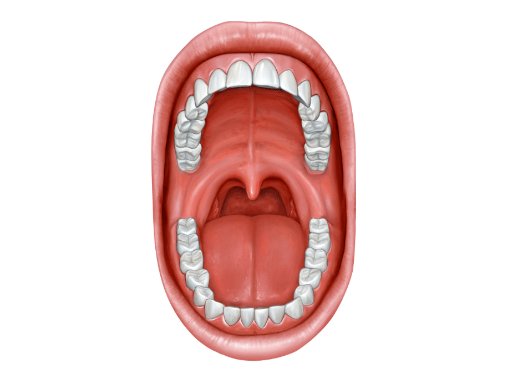
The roof of your mouth, also called the palate, and the floor of your mouth, the soft tissue under your tongue, are areas where abnormal spots, swelling, or color changes may appear before they cause pain. You may not notice them at home. Most people do not spend time inspecting the underside of their tongue in the mirror, and even if they do, it is hard to know what is normal.
That is where a general dentist comes in. During an exam, your dentist looks for ulcers that do not heal, red or white patches, lumps, thickened tissue, tenderness, and signs of trauma from grinding, tobacco use, dentures, or sharp tooth edges. The floor of the mouth matters because it contains delicate tissue and salivary gland openings. The roof of the mouth matters because it can show burns, fungal infections, irritation, and growths that deserve a closer look.
Some findings are harmless. A small sore from hot pizza, a minor scrape, or irritation from a mouth appliance may clear up quickly. The concern is when something stays, grows, bleeds, or changes shape. That is why oral tissue screening during dental exams is part of routine care, not an extra step added to worry you.
Oral cancer screening often includes these areas for a reason
Many people hear the words oral cancer screening and tense up. That reaction makes sense. The good news is that screening is about catching changes early, when they are easier to evaluate and treat. According to the National Institute of Dental and Craniofacial Research’s oral cancer exam overview, dentists examine the lips, cheeks, tongue, roof of the mouth, and floor of the mouth as part of a screening.
The floor of the mouth gets close attention because some oral cancers can begin there and stay hidden until they are more advanced. Early lesions may not hurt. They may look like a pale patch, a red area, or a firm spot that seems minor. The roof of the mouth can also show suspicious changes, especially in people with tobacco or alcohol exposure, HPV related risk factors, or long standing irritation.
The National Cancer Institute’s oral screening information explains that screening aims to find abnormal tissue before symptoms become obvious. That matters because waiting for pain is a poor strategy. Many serious oral conditions start quietly.
Skipping these checks can allow small problems to become bigger ones
You might assume that if your teeth feel fine, your mouth is fine. That is often where people get caught off guard. A painless patch under the tongue can be ignored for months. A sore on the palate can be blamed on food or stress and never mentioned. Then a problem that could have been watched or treated early becomes more complicated, more expensive, and more stressful.
This is one reason mouth soft tissue exam by a dentist is part of a standard visit. Your dentist is trained to spot patterns that do not look right. They can compare what they see now with what they saw six months ago. That timeline matters. A change that is new, persistent, or spreading tells a different story than a spot that healed and disappeared.
These checks also help with issues that are not cancer. Salivary gland blockages, fungal infections, dry mouth damage, allergic reactions, and trauma from clenching can all show up in these areas. Catching them early can spare you pain and prevent a chain reaction of bigger oral health problems.
Home checks help, but professional exams catch what most people miss
| What is being checked | At home | At a dental exam |
| Visible sores or patches | You may notice obvious changes if they are easy to see | Your dentist checks less visible areas and knows which changes look suspicious |
| Under the tongue and floor of mouth | Hard to inspect well and easy to misread | Direct exam of texture, color, swelling, and tenderness |
| Roof of the mouth | Possible to see, but subtle changes are easy to miss | Evaluation for irritation, infection, growths, and tissue changes |
| Follow up decisions | Unclear whether to wait or seek care | Guidance on monitoring, treatment, or referral if needed |
Home awareness still matters. If you notice a sore, patch, lump, or pain that lasts more than two weeks, bring it up. The problem is not that people ignore their mouths on purpose. Life gets busy, symptoms seem minor, and nobody wants to assume the worst. A routine dental exam closes that gap.
Three steps you can take right away
1. Pay attention to changes that linger. If you notice a sore, thick patch, swelling, numbness, or a spot that bleeds easily, do not wait months to mention it. Tissue that does not heal on schedule deserves a look.
2. Ask your dentist to explain what they are checking. You are allowed to want clarity. A simple explanation of the roof of the mouth, floor of the mouth, tongue, and cheeks can make the exam feel less mysterious and help you know what to watch for at home.
3. Keep regular dental visits even when nothing hurts. Pain is a late signal for many oral problems. Routine exams give your dentist a baseline and a chance to catch subtle changes early.
These extra seconds during your exam serve a real purpose
When your dentist examines the roof and floor of your mouth, that brief pause is doing more than it seems. It is a screening for problems you may not feel, may not see, and may not know how to judge on your own. That is part of what good preventive dental care looks like. If anything in your mouth has changed and stayed that way, schedule a visit with a general dentist and have it checked.