You might already know the feeling. You catch your smile in a photo and focus on the one thing you wish looked different, or you notice that chewing feels uneven, your bite seems off, and your jaw gets tired by the end of the day. When that happens, it is easy to think orthodontic care is only about appearance, but that misses the bigger picture. In many cases, treatment can change how your teeth work just as much as how they look, which is why talking to a dentist in Sherman Oaks can be an important next step.
That is the heart of it. Orthodontics can help straighten teeth, improve bite alignment, make cleaning easier, reduce strain on the jaw, and give you a smile that feels more natural to share. If you have been wondering whether seeing a general dentist and orthodontist is really worth it, the short answer is yes, especially when comfort, oral health, and confidence are all tied together.
Why can crooked teeth affect more than your smile?
When teeth are crowded, spaced too far apart, or do not meet the way they should, the problem often reaches beyond looks. You may chew on one side more than the other, bite your cheek, or struggle to floss areas where teeth overlap. Over time, those small frustrations can build into wear, gum irritation, and avoidable dental work.
According to MedlinePlus information on malocclusion, a poor bite can come from jaw differences, habits, or crowding, and it may lead to trouble with chewing, speech, or appearance. Because of this tension between function and appearance, you might wonder what orthodontic treatment really changes day to day. Quite a lot, in fact.
See also: 5 Ways Periodontics Improves Quality Of Life For Patients
How does orthodontic treatment improve function and appearance at the same time?
1. It improves bite function. When upper and lower teeth fit together better, chewing often feels more even and less tiring. That matters more than people realize. If your bite is off, certain teeth can take too much force, which may lead to chipping or wear. A more balanced bite spreads pressure more naturally.
2. It makes teeth easier to clean. Crowded teeth create tight spaces where plaque can sit. When alignment improves, brushing and flossing usually become simpler and more effective. That means orthodontics can support long term oral health, not just a straighter smile. The Oral Health in America report from NIDCR highlights how oral conditions can affect daily life, comfort, and overall well being, which is one reason preventive care matters so much.
3. It can reduce strain on teeth and jaw muscles. If your teeth meet unevenly, your jaw may work harder to compensate. Some people notice clenching, soreness, or a sense that their bite never feels settled. Correcting alignment may help lower that strain, which can make eating and speaking feel easier.
4. It can support clearer speech. Not every speech issue is caused by tooth position, but alignment can play a role in how the tongue meets the teeth and how certain sounds are formed. For a child, teen, or adult who feels self conscious when speaking, that can be a meaningful change.
5. It improves smile aesthetics and confidence. This is the benefit most people see first, and it still matters. Feeling comfortable when you smile in conversation, at work, or in family photos is not shallow. It is personal. A healthy, aligned smile often helps people look more rested, open, and at ease. That is one reason orthodontic treatment benefits often go beyond what shows up in the mirror.
What should you weigh before starting braces or aligners?
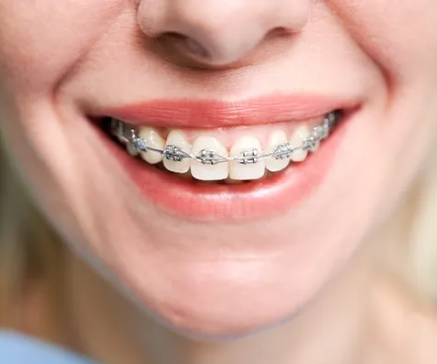
There is no single right option for everyone. Some people need more complex bite correction, while others mainly want to address crowding or spacing. A professional exam helps sort out what is cosmetic, what is functional, and where those two overlap. If you are comparing choices, a simple side by side view can help.
| Concern | Without Treatment | With Professional Orthodontic Care |
| Crowded teeth | Harder to brush and floss, higher risk of buildup | Better access for daily cleaning and maintenance |
| Uneven bite | Extra wear on certain teeth, chewing discomfort | More balanced bite and pressure distribution |
| Spacing or visible misalignment | Self consciousness in photos or conversation | Improved smile appearance and confidence |
| Jaw strain | Muscle fatigue or a bite that feels off | Potential reduction in stress on teeth and jaw |
If you are asking whether this is only cosmetic, the answer is often no. Braces and aligners for better oral function can address problems that affect comfort and upkeep every day. For a broader overview of options and care, MedlinePlus orthodontia resources offer a helpful starting point.
What can you do right now if you think you need orthodontic care?
1. Pay attention to daily signs. Notice whether you avoid chewing on one side, struggle to floss between crowded teeth, or feel jaw tension when you wake up. Those patterns can help a dentist or orthodontist understand what is happening.
2. Ask about function, not just appearance. During a consultation, ask whether your alignment affects wear, cleaning, or bite balance. That can give you a clearer picture of the full value of treatment, especially if you are considering a general dentist and orthodontist for ongoing care.
3. Compare treatment goals and timelines. Ask what can realistically be improved, how long treatment may take, and what maintenance looks like after. A good plan should match both your health needs and your lifestyle.
So where does that leave you?
If your teeth feel crowded, your bite feels off, or your smile does not reflect how you want to show up in the world, you are not overthinking it. These concerns are real, and they often connect function and appearance in ways that are easy to overlook. The good news is that the right orthodontic care can improve both, helping you protect your oral health while also feeling more confident every time you smile.
When you are ready, schedule a consultation with a trusted dental professional to talk through your options and find out what kind of treatment makes sense for you.