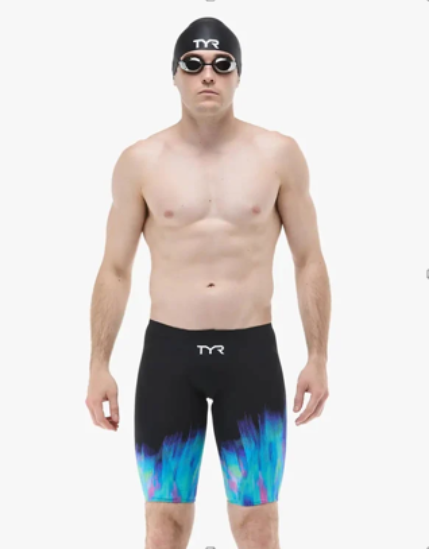
Choosing swimwear involves more than selecting a color or design. The cut, coverage, fabric, and fit can affect how comfortable a swimsuit feels during repeated laps, competitive sessions, and recreational swimming. TYR offers several men’s swimwear styles, including briefs, jammers, swim shorts, and trunks, each serving different preferences and swimming needs. Understanding how these designs differ makes it easier to narrow down the options without choosing a style based only on appearance.
The right swimsuit should stay secure in the water, allow unrestricted movement, and provide the coverage you prefer. A competitive swimmer may prioritize a close fit and reduced fabric resistance, while someone swimming casually may value additional coverage and an easygoing silhouette. TYR’s men’s range includes options for both training-focused swimmers and people who want versatile swimwear for pool and beach use. This guide compares the main styles and explains what to consider before choosing one.
Exploring the TYR Men’s Swimwear Range
The tyr swimsuits mens collection includes different silhouettes designed around varying coverage preferences and swimming activities. The main categories to understand are briefs, jammers, swim shorts, and trunks. Although all four are intended for use in water, they differ in leg length, fit, and overall construction. Those differences influence how each style feels during swimming and how well it matches a particular routine.
A useful starting point is to separate performance-focused swimwear from recreational designs. Briefs and jammers generally have closer-fitting silhouettes that keep excess fabric to a minimum. Swim shorts and trunks offer more coverage and a looser appearance, making them popular choices for casual pool sessions and beach settings. However, the category name alone does not determine performance: fabric, construction, fit, and intended use also matter.
When comparing men’s TYR swimsuits, consider these broad distinctions:
- Briefs: Minimal leg coverage and a close-fitting shape, often preferred for regular lap swimming and training.
- Jammers: Longer legs with a streamlined fit, commonly selected for structured training and competitive swimming.
- Swim shorts: A shorter, more relaxed silhouette that can suit recreational swimming and general pool use.
- Trunks: A versatile category that includes different lengths and cuts, often chosen for comfort and pool or beach activities.
These descriptions are general style distinctions rather than a guarantee that every design has identical features. Individual product descriptions should be checked for fabric composition, lining, waistband construction, and recommended use.
See also: Entrepreneur Therapist: Practical Mental Health Strategies for Founders
Men’s Swim Briefs: Minimal Coverage for Pool Training
Swim briefs have a compact silhouette with a close fit around the waist, hips, and seat. Their shorter leg openings provide less coverage than jammers or shorts, which some swimmers prefer for unrestricted movement. With less fabric extending over the thighs, briefs can feel less bulky during repeated laps. The streamlined shape also makes them a familiar choice for swimmers who spend considerable time working on technique and conditioning.
Fit is particularly important with this style. A brief should sit securely at the waist and provide adequate coverage without digging into the skin or shifting during turns and push-offs. Many swimming briefs include an adjustable drawcord to help maintain a secure fit, although the exact construction varies by product. The leg openings should feel comfortable and stay in position without creating excessive pressure.
Briefs can be suitable for:
- Regular lap swimming and pool-based conditioning.
- Swimmers who prefer minimal leg coverage.
- Training sessions where a close-fitting silhouette is more comfortable.
- Athletes who want a compact swimsuit for frequent pool use.
The reduced coverage may not appeal to everyone, especially swimmers who prefer more fabric around the thighs. Anyone new to this style should compare the waist, leg opening, and sizing information before purchasing. For a closer look at this category, the dedicated guide to competitive swim briefs explores fit, fabric, and performance considerations in greater detail.
Men’s Swim Jammers: More Leg Coverage with a Close Fit
Jammers extend farther down the thighs than briefs while maintaining a close-fitting shape. Their longer cut provides additional leg coverage without the loose fabric associated with conventional swim shorts. This combination makes them a common option for competitive swimmers, swim-team members, and people who follow structured pool-training schedules. The fabric remains close to the body, which can help reduce the feeling of excess material moving through the water.
A jammer’s fit should be snug but not restrictive. The waistband needs to remain secure during starts, turns, and regular swimming movements, while the leg openings should stay in place without causing discomfort. The length should also suit the swimmer’s preference and body proportions. A swimsuit that is too tight can limit comfort, while one that is too loose may shift during a session.
TYR’s men’s jammer category includes training-oriented options, with selected products featuring Durafast Elite fabric. TYR describes this fabric range as designed for repeated use in the pool, but shoppers should check the specifications of each individual swimsuit rather than assume that every jammer has the same construction. Fabric details, lining, and product purpose can vary across styles.
Jammers are worth considering if you:
- Prefer more thigh coverage than a brief provides.
- Swim regularly and want a close-fitting training swimsuit.
- Participate in swim-team sessions or competitive pool events.
- Prefer a streamlined shape without loose shorts fabric.
Training jammers and technical racing suits should not automatically be treated as interchangeable. Competition-specific suits may have different construction, compression, and approval considerations. Check the product’s stated purpose before selecting a jammer for a particular event.
Swim Shorts: A Relaxed Option for Recreational Swimming
Swim shorts generally have a shorter leg length and a looser shape than briefs or jammers. They can provide a familiar balance between coverage and ease of movement, making them suitable for casual swimming, leisure pool use, and general water activities. The relaxed silhouette also appeals to men who prefer not to wear close-fitting swimwear. Depending on the design, features may include an elastic waistband, drawcord, inner lining, and pockets.
The difference between swim shorts and performance-oriented swimwear becomes noticeable during longer or faster swimming sessions. Loose fabric may move more through the water than a close-fitting brief or jammer. This does not make swim shorts unsuitable for swimming, but it does mean they may not be the first choice for swimmers focused on reducing drag during structured training.
When evaluating swim shorts, pay attention to the following details:
- Inseam: Check the length to understand how much thigh coverage the design provides.
- Waistband: An elastic waist and adjustable drawcord can help maintain a secure fit.
- Lining: Review whether the product includes a comfort liner and what material it uses.
- Pockets: Consider whether pockets are useful for your intended activities and whether they have secure closures.
- Fabric: Look for product information about material, drying characteristics, and care.
Swim shorts are a practical option for men who want a relaxed fit and broader everyday use. However, if most of your time in the water is spent swimming continuous laps, compare their cut and construction with a brief or jammer before deciding.
Men’s Swim Trunks: Pool-to-Beach Versatility
Swim trunks cover a broad range of recreational swimwear styles. They may resemble traditional shorts, with different inseam lengths, waist designs, and levels of coverage. Some are designed primarily for pool use, while others have features that suit beach activities and general warm-weather wear. TYR’s men’s swim trunks and boardshorts range includes styles such as Hydrosphere Volley Shorts, Deck-X, and Challenger-X.
The terms swim shorts and swim trunks are sometimes used interchangeably, so the product’s actual cut is more useful than the label. A shorter trunk may look similar to a conventional swim short, while a longer boardshort-style design offers more coverage. The waistband, liner, and fabric also influence how the garment feels when wet and during movement.
For instance, TYR’s Men’s Challenger-X Swim Short – Solid has a product-specific construction that includes a 100% sanded polyester outer fabric, a polyester and spandex comfort liner, an 8.5-inch inseam, and a logo drawcord. It also includes a patch pocket with a zipper closure. These details apply to that particular product, not every trunk in the collection, so shoppers should review each listing carefully.
Trunks can be a suitable choice for men who want:
- More coverage than briefs or traditional jammers.
- A relaxed fit for casual swimming and leisure activities.
- Swimwear that can be used around the pool or at the beach.
- Practical design details such as a drawcord, liner, or secure pocket.
If you are comparing different lengths and silhouettes, the dedicated men’s swim trunks guide provides a closer look at styles, fit, and features for pool and beach use.
What to Consider Before Choosing a TYR Swimsuit
The best style depends on how often you swim, what you do in the water, and how much coverage you prefer. A swimsuit that works well for a competitive training schedule may not be the most comfortable choice for relaxed recreational use. Likewise, a loose trunk may suit beach activities but feel less appropriate for repeated laps. Start with your main swimming purpose, then compare product details.
1. Swimming frequency and activity
Regular swimmers should pay close attention to fabric durability, fit retention, and care requirements. Frequent exposure to pool chemicals can affect swimwear over time, so fabric specifications and proper maintenance deserve consideration. For occasional swimming, comfort and preferred coverage may carry more weight than competition-oriented features.
2. Coverage and personal comfort
Briefs provide the least leg coverage, while jammers extend farther down the thighs. Swim shorts and trunks offer more relaxed silhouettes and can provide additional coverage, depending on their length. There is no single correct preference. Choose a cut that feels secure and comfortable throughout the movements you expect to make.
3. Fabric and construction
Read the material composition rather than relying only on product photographs. Check whether the swimsuit includes a liner, an adjustable drawcord, reinforced seams, or other construction details. If chlorine resistance or color retention is a priority, look for those properties in the product description. Do not assume that every style in a collection uses the same fabric.
4. Sizing and fit
Use the brand’s current size chart and compare the measurements with your own. A close-fitting swimsuit should not cause pinching, excessive pressure, or restricted movement. A relaxed style should remain secure at the waist without needing constant adjustment. If you are between sizes, review the product’s fit guidance and return policy before ordering.
5. Supporting swim equipment
Swimwear is only one part of a pool setup. Goggles should provide a secure seal and clear vision without uncomfortable pressure around the eyes. TYR offers a range of best tyr goggles for different swimming preferences and activities. A suitable pair can make regular sessions more comfortable, particularly when fit and visibility are priorities.
Choosing Swimwear for Different Swimming Goals
A simple way to narrow down the options is to match the swimsuit style with the type of swimming you do most often. Competitive swimmers may prefer briefs or jammers because their close-fitting designs avoid the loose fabric associated with recreational shorts. Men who swim for general fitness can choose between these styles based on coverage and comfort. The most useful option is the one that remains secure and comfortable throughout the session.
For recreational swimming, swim shorts and trunks provide more flexibility in appearance and coverage. They can also be convenient when swimming is one part of a wider pool or beach visit. Men who alternate between casual swimming and regular lap sessions may prefer to own more than one style. Having separate options avoids expecting a single swimsuit to meet different requirements.
TYR also offers swimwear beyond men’s one-piece bottoms, including options in its tyr bikini tops collection. This is a separate category, but it illustrates the range of swimwear styles available across the brand’s broader assortment. For men’s swimwear, the key is to compare the individual product’s intended use, construction, and fit rather than choosing solely by category name.
Conclusion
TYR men’s swimwear covers several needs, from close-fitting briefs and jammers for pool training to relaxed shorts and trunks for recreational use. The right choice depends on swimming frequency, preferred coverage, comfort, and whether the swimsuit is intended for training, competition, or leisure. Comparing fabric, sizing, lining, and construction is more useful than relying on the style name alone. Review the individual product details before making a decision, and contact TYR if you need help with product or order-related questions.
Frequently Asked Questions
1. What types of men’s swimsuits does TYR offer?
TYR’s men’s swimwear range includes briefs, jammers, swim shorts, trunks, and boardshort-style options. These categories differ in leg coverage, fit, and intended use. Product availability and specific designs can change, so check the current collection for the latest selection.
2. Are TYR jammers suitable for regular swimming?
Jammers are commonly used for regular pool training because they provide a close fit and more leg coverage than briefs. Their longer cut avoids the loose fabric associated with recreational shorts. Check each product’s fabric and intended-use information to find an option that suits your swimming routine.
3. Should beginners choose swim briefs or trunks?
Beginners can choose either style based on comfort and personal preference. Briefs provide a closer fit with less leg coverage, while trunks offer a more relaxed silhouette. Someone who plans to swim laps regularly may also want to compare jammers and swim shorts before making a decision.
4. What is the difference between swim shorts and swim trunks?
The terms are often used interchangeably, and the distinction can vary between brands and products. Both generally offer more coverage and a looser fit than briefs or jammers. Compare the inseam, waistband, liner, and fabric details to understand the actual design.
5. How should I choose the right size in TYR men’s swimwear?
Start with the current TYR size chart and compare its measurements with your own. Consider the garment’s cut, waistband, and leg openings, since different styles fit differently. The swimsuit should remain secure without pinching, slipping, or restricting movement.