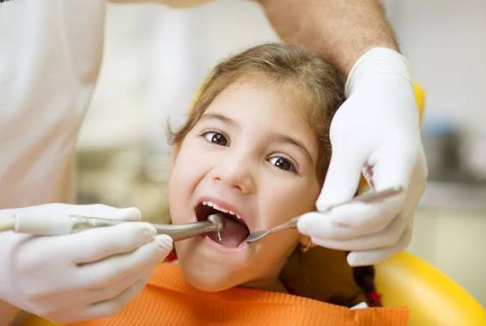
You notice it in small moments first. You cover your mouth when you laugh, you avoid close up photos, you talk a little less in group settings because you are thinking about your teeth instead of the conversation. For a lot of young adults, confidence does not disappear all at once. It gets chipped away by stains, bad breath, tooth pain, or the worry that something looks off and everyone else can see it. Talking to an Edmonton dentist can be the first step toward feeling like yourself again.
That stress is real, and it is not shallow. Your smile affects how you present yourself at work, on dates, during interviews, and in everyday friendships. General dental care supports confidence because it helps you feel clean, comfortable, and less distracted by pain or embarrassment. Strong oral health also supports your overall health, which is one reason the CDC highlights the connection between oral health and well-being.
General dentistry helps young adults feel more at ease socially
Confidence often starts with comfort. If your gums bleed when you brush or your breath never feels fresh, you carry that tension into every conversation. You may lean back when people talk to you, keep your lips closed in pictures, or second guess yourself during a first impression. That is exhausting, especially when you are already juggling work, school, money, and relationships.
A general dentist addresses the issues that quietly affect self esteem every day. Professional cleanings remove buildup that brushing misses. Exams catch cavities before they become visible or painful. Guidance on brushing, flossing, and diet helps prevent the kind of recurring problems that make you feel like you are always trying to hide something.
This is one of the clearest ways general dentistry for confidence matters. When your mouth feels healthy, you stop managing discomfort and start showing up more naturally. People usually notice ease before they notice perfect teeth.
See also: 5 Ways Periodontics Improves Quality Of Life For Patients
Routine dental care reduces the stress of untreated problems
Small dental issues rarely stay small. A little sensitivity can turn into pain that wakes you up at night. Mild gum irritation can become swelling, bleeding, and chronic bad breath. When you are in your twenties or early thirties, it is easy to put off a visit because life feels expensive and full. Then the problem grows, and so does the bill.
That cycle can hit confidence hard. You may feel embarrassed that you waited, worried about cost, and frustrated that eating or speaking now hurts. Regular visits break that pattern. Preventive care is usually simpler and less costly than emergency treatment, and it gives you a sense of control instead of that sinking feeling that something is getting worse in the background.
The HRSA’s adult oral health resources point to access and prevention as major parts of maintaining oral health across adulthood. That matters for young adults who are building careers, managing budgets, and trying to avoid avoidable setbacks. Routine dental care for young adults is not about chasing perfection. It is about keeping manageable problems from becoming confidence draining ones.
General dentist visits support long term self image and health
Your smile is part of how you see yourself. If you are always focused on discoloration, plaque, chipped enamel, or a tooth that feels rough, that can shape your self image more than you admit out loud. Dental care helps protect the look and function of your teeth over time, which supports confidence in a deeper way than a quick cosmetic fix.
There is also the health side. Oral health is connected to the rest of the body, and untreated dental disease can affect more than your mouth. The National Institute of Dental and Craniofacial Research describes oral health as a key part of speaking, eating, socializing, and overall quality of life. When those basics are disrupted, confidence often goes with them.
This is where a general dentist plays an ongoing role. Exams, cleanings, fillings, gum care, and practical advice all work together to protect both appearance and comfort. Preventive dental care is not only about avoiding disease. It helps you keep the version of yourself that feels open, relaxed, and present.
Daily habits and professional care create different results
| Approach | What It Helps With | Limits | Confidence Impact |
|---|---|---|---|
| Brushing and flossing at home | Plaque control, fresher breath, gum support | Cannot remove hardened tartar or diagnose hidden issues | Helps daily comfort, but may not solve ongoing concerns |
| Skipping routine dental visits | Saves money in the short term | Higher risk of untreated cavities, gum disease, pain, and visible damage | Often increases embarrassment and stress over time |
| Regular care with a general dentist | Cleanings, exams, early treatment, personalized advice | Requires planning and follow through | Supports a healthier smile, less worry, and steadier self confidence |
Small steps can rebuild confidence faster than you think
Book the visit you have been postponing. If you have been waiting for the right time, this is usually the sign that the delay is costing more emotionally than you expected. A basic exam and cleaning can give you answers, a plan, and relief from the guessing.
Pay attention to the issue you keep minimizing. Maybe it is bleeding gums, a tooth that catches on floss, or breath that never feels fully fresh. Those are not minor if they affect how you speak, smile, or eat. Bring up the exact thing that bothers you most.
Build a simple routine you can keep. Brush twice a day, floss once a day, drink more water, and cut back on habits that stain or dry your mouth. Consistency does more for confidence than bursts of effort followed by weeks of avoidance.
You do not need a perfect smile to feel better about yourself. You need a healthy mouth that lets you laugh, speak, and show up without constant self awareness. General dentistry can help you get there, one practical step at a time.