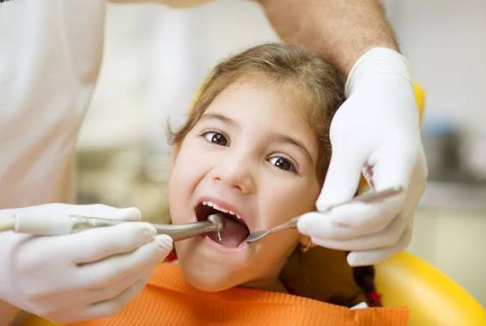
You can usually tell when a child is nervous about the dentist long before they say it out loud. They cling a little tighter, ask if anything will hurt, or go quiet in the waiting room. Some children have had a hard visit before. Others absorb a parent’s worry and carry it as their own. The result is the same. general dentistry in Hilliard Dental care starts to feel tense, and every appointment becomes harder than it needs to be.
That is where a family dentist can make a real difference. Children do better when care feels familiar, calm, and predictable. A family practice often gives them that steady rhythm. The same office, the same faces, and the same gentle routines help turn dental visits from something scary into something manageable. Over time, that helps children trust the process and trust themselves.
Family dentistry creates familiarity that lowers fear
Fear grows fast when a child does not know what is coming. A new office, a new provider, and new sounds can make a simple cleaning feel overwhelming. In a family dental setting, children often see the same team again and again. That repetition matters. They learn where to sit, what the tools sound like, and how the visit usually goes. Predictability reduces stress because the unknown starts to disappear.
This is one reason family dental care for children can support confidence so well. A child who has seen a parent get a checkup in the same office often reads that as proof that the place is safe. They watch how adults interact with the staff. They hear calm voices. They notice that nothing scary happens. Those small observations build trust before their own appointment even begins.
National attention to children’s oral health reflects this need for early, supportive care. The National Institute of Dental and Craniofacial Research reports that dental visits for children have increased, which is encouraging because regular visits create more chances for children to build comfort instead of waiting until pain forces an appointment.
See also: 4 Ways C P As Simplify Payroll and Compliance
Confidence grows when children feel heard and respected
Children notice tone more than adults sometimes realize. If they feel rushed, talked over, or pinned into a chair before they are ready, they remember it. The next visit starts with that memory. A good family dentist slows the pace enough to explain what is happening in simple words, gives the child a moment to adjust, and treats their fear as real instead of dramatic.
That changes the whole experience. A child who hears, “You’re doing a good job keeping your mouth open,” starts to feel capable. A child who gets to ask for a pause learns they still have some control. Confidence at the dentist is not about pretending fear is gone. It is about helping a child learn, visit by visit, that they can handle something that once felt too big.
The American Academy of Pediatric Dentistry supports this child-centered approach through guidance on age-appropriate care and pediatric dental services. Their information on care for children and adolescents reflects how important it is to match treatment to a child’s developmental needs, not just their teeth.
Early preventive care makes dental visits feel normal
Children often become most fearful when the first dental visit happens because something already hurts. Pain raises the stakes. A child who comes in with a toothache may connect the office with discomfort from the start. Preventive visits change that pattern. Cleanings, exams, fluoride treatments, and simple coaching on brushing create low-pressure experiences that feel routine instead of urgent.
The Centers for Disease Control and Prevention offers oral health tips for children that reinforce this idea. Daily brushing with fluoride toothpaste, healthy eating habits, and regular dental visits reduce decay and help children avoid the kind of dental emergencies that can shake confidence fast.
This is where children’s confidence at the dentist often starts to take shape. When a child comes in for a checkup and leaves thinking, “That was not so bad,” the next visit gets easier. Then easier again. That pattern is powerful.
Family dentist visits support confidence better than crisis based care
| Care Pattern | What a Child Often Feels | Likely Result Over Time |
|---|---|---|
| Regular visits with a family dentist | Familiarity, trust, lower stress, more control | Better cooperation, stronger habits, less fear |
| Only going when there is pain | Worry, urgency, fear of bad news or treatment | More resistance, stronger negative memories, delayed care |
| Changing offices often | Uncertainty, sensory overload, guarded behavior | Slower trust building, more anxiety at each visit |
A steady relationship with one dental home does more than protect teeth. It gives children a chance to practice coping in a setting that stays consistent. That is a major reason many parents choose a family dentist instead of piecing care together from different places over time.
Small actions at home help children feel ready
Use calm, plain language. Avoid saying a visit will not hurt if you cannot promise that. Children hear that as a broken promise if they feel even mild discomfort. Say what is true. The dentist will count your teeth, clean them, and tell us how to keep them strong. Calm honesty builds trust.
Practice the routine before the appointment. Have your child open wide while you count teeth with a toothbrush handle or your finger. Pretend to sit back like a dental chair. Keep it light. Familiar motions lower stress because the body recognizes what is happening.
Schedule visits before problems start. A child who visits for prevention usually has a better experience than a child who first goes in with pain or swelling. Routine care helps make the dentist part of normal life, not a place linked only to emergencies.
Children do not need to be fearless to become confident
A confident child at the dentist is not always the child who walks in smiling. Sometimes it is the child who was scared last year and still sat down today. It is the child who asked a question instead of shutting down. It is the child who learned that being nervous does not mean they cannot get through the visit.
That kind of growth takes patience, repetition, and the right environment. Family dentistry helps by making dental care feel known instead of threatening, supportive instead of rushed, and routine instead of alarming. When children feel safe enough to build trust, confidence follows.
If your child has been struggling with dental visits, a family-centered approach can help turn things around. The goal is not perfection. It is a calmer visit, a better memory, and a child who leaves feeling a little braver than when they came in.