You notice the sting before you even see it. A small sore on the inside of your lip, along your cheek, or under your tongue suddenly makes eating, brushing, and talking feel harder than they should. Then it happens again a few weeks later, or the sore never seems fully gone before another one appears. That pattern wears people down. It is painful, distracting, and easy to dismiss until it starts affecting meals, sleep, and your patience. To maintain healthy teeth with preventive dental care in Dearborn Heights, it is important not to ignore recurring sores and other signs that your oral health may need attention.
Recurring mouth sores are common, but they are not something you have to just live with. A general dentist can help sort out what kind of sore you are dealing with, look for triggers, ease the pain, and spot signs that need more testing or a referral. In many cases, general dentistry for recurring mouth sores is less about a quick fix and more about finding out why your mouth keeps reacting this way.
Recurring mouth sores often have more than one cause
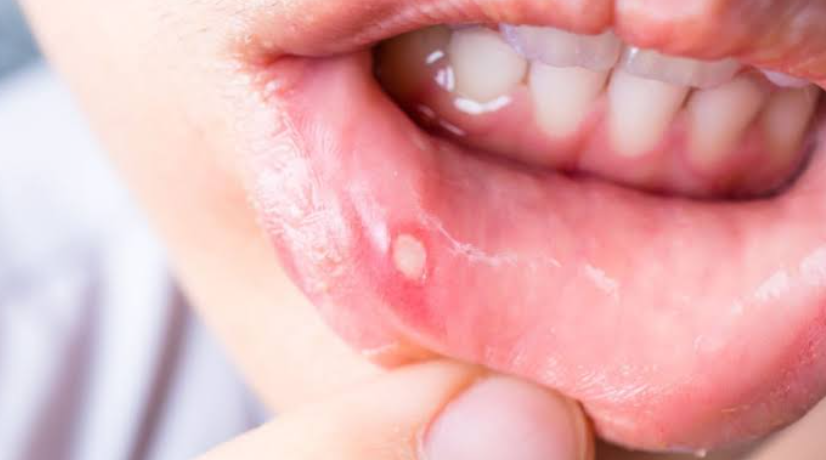
Not every sore in the mouth means the same thing. Some are canker sores, which tend to show up inside the mouth and are not contagious. Others are fever blisters, also called cold sores, which usually appear on or around the lips and are caused by the herpes simplex virus. The National Institute of Dental and Craniofacial Research explains the difference clearly in its guide to fever blisters and canker sores.
That distinction matters because treatment changes depending on the source. A sore caused by friction from a broken filling or sharp tooth edge needs a different approach than one linked to stress, a vitamin deficiency, immune changes, or a viral infection. If you have ever tried saltwater rinses, over the counter gels, and softer foods only to keep getting the same result, this is usually why. The sore itself is only part of the story.
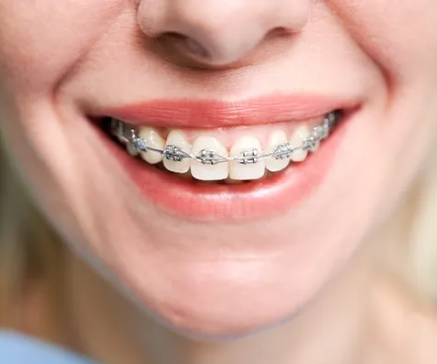
A dentist for mouth sores starts by looking at the pattern. Where do the sores appear. How long do they last. Do they come with swelling, fever, stomach problems, or skin changes. Did they start after a new toothpaste, a recent illness, orthodontic treatment, or a period of high stress. Those details help narrow the cause faster than most people expect.
General dentistry can reduce pain and prevent repeat irritation
When sores keep returning, the pain is only one piece of the problem. You may start avoiding citrus, spicy food, crunchy snacks, or even regular brushing because everything burns. Some people chew differently to avoid one spot, which can irritate another area. Others assume they just have a sensitive mouth and stop asking questions.
General dental care helps by addressing both the visible sore and the environment around it. A dentist can smooth a sharp tooth, adjust a rough restoration, check dentures or aligners, and look for signs of clenching or cheek biting. If the tissue is inflamed from repeated trauma, removing that trigger can make a major difference.
Dental exams also matter because not every persistent sore is harmless. According to the medical review in Oral Ulceration, ulcers can have many causes, including local trauma, infection, immune conditions, and, in some cases, more serious disease. A sore that lasts longer than two weeks, keeps bleeding, feels firm, or comes with unexplained weight loss needs prompt evaluation. That is one of the strongest reasons to seek help for recurring oral ulcers instead of guessing.
Home care and professional dental care serve different purposes
Home remedies can soothe symptoms, and sometimes that is enough for a short, isolated sore. They do not replace an exam when the sores keep coming back, change in appearance, or interfere with daily life. The difference is not just comfort. It is diagnosis.
| Approach | What It Can Help With | Limitations |
| Saltwater rinse | Mild soothing, keeping the area clean | Does not identify the cause, may sting irritated tissue |
| Over the counter numbing gel | Short term pain relief before meals or brushing | Relief fades quickly, does not prevent recurrence |
| Avoiding trigger foods | Reduces burning from acidic, spicy, or rough foods | Helpful only if food is the main trigger |
| General dentist evaluation | Identifies trauma, infection patterns, appliance issues, suspicious lesions | May lead to referral or further tests if the cause is systemic |
| Dental treatment plan | Targets the trigger, supports healing, monitors repeat episodes | Works best when you track symptoms and follow up |
This is where general dentistry becomes practical. If your sores come from friction, your dentist can often fix the source that day. If the pattern suggests a medical issue, you leave with a clearer next step instead of another week of trial and error.
Three steps you can take right away
Track the sore, not just the pain. Write down where it appears, how long it lasts, what it looks like, and what you ate or used in the day before it showed up. Include stress, new medications, recent dental work, and whether the sore is inside the mouth or around the lips. Patterns often become obvious once they are written down.
Remove easy irritants. Use a soft toothbrush, avoid harsh mouthwashes that burn, and pause foods that scrape or sting the area. If a tooth, retainer, or denture feels rough against the sore, do not wait it out. Repeated rubbing keeps tissue from healing.
Book a dental exam if the sore is recurrent, severe, or lasts more than two weeks. Mouth ulcers that keep returning deserve a closer look. The same is true for sores that are unusually large, come with fever, make swallowing hard, or heal and return in the exact same place.
See also: Boost Your Business with a Leading Website Company in Dubai
Managing recurring mouth sores starts with a clear diagnosis
You are not overreacting if these sores keep interrupting your day. Small lesions can cause outsized pain, and the uncertainty is often the hardest part. Once the cause is clearer, treatment usually becomes more focused and a lot less frustrating.
A general dentist can help you move from guessing to a plan, whether that means easing irritation inside the mouth, identifying likely triggers, or referring you for added medical evaluation when needed. If recurring mouth sores are becoming a pattern, schedule a visit with a general dentist and get answers that fit what your mouth is actually doing.