In an era where data breaches and cyberattacks are increasingly common, organizations must prioritize secure management of sensitive information. Hard disks, servers, and storage devices often contain confidential business data, personal information, and intellectual property that can be exploited if improperly disposed of. Trusted solutions like E-XPIRE provide certified hard disk disposal services, ensuring sensitive data is destroyed safely while maintaining compliance with industry regulations.
Certified hard disk disposal services go beyond simply discarding old storage devices. They involve a structured, secure process that safeguards data, ensures environmental responsibility, and provides verifiable documentation to demonstrate regulatory compliance. By partnering with certified disposal providers, businesses reduce the risk of data breaches, mitigate legal liabilities, and maintain their reputation in the marketplace.
The Importance of Certified Hard Disk Disposal
Organizations routinely retire storage devices as technology evolves. These devices may include:
- Hard disk drives (HDDs)
- Solid-state drives (SSDs)
- Backup tapes and storage arrays
- Network-attached storage (NAS) devices
Without certified disposal practices, sensitive information on these devices may be recovered by unauthorized individuals, leading to financial loss, regulatory penalties, and reputational damage. Certified hard disk disposal addresses these risks by ensuring data is irreversibly destroyed before the device is recycled, refurbished, or resold.
Protecting Sensitive Data
Hard disks contain information that, if accessed maliciously, can lead to identity theft, corporate espionage, or breach of customer privacy. Certified disposal services implement proven methods to eliminate data, ensuring that information cannot be reconstructed or retrieved.
Regulatory Compliance
Industries such as healthcare, finance, and government are subject to strict regulations regarding the handling and disposal of data. Compliance with standards such as HIPAA, GDPR, and PCI DSS is essential. Certified disposal providers offer documentation verifying secure data destruction, helping organizations meet regulatory requirements.
Environmental Responsibility
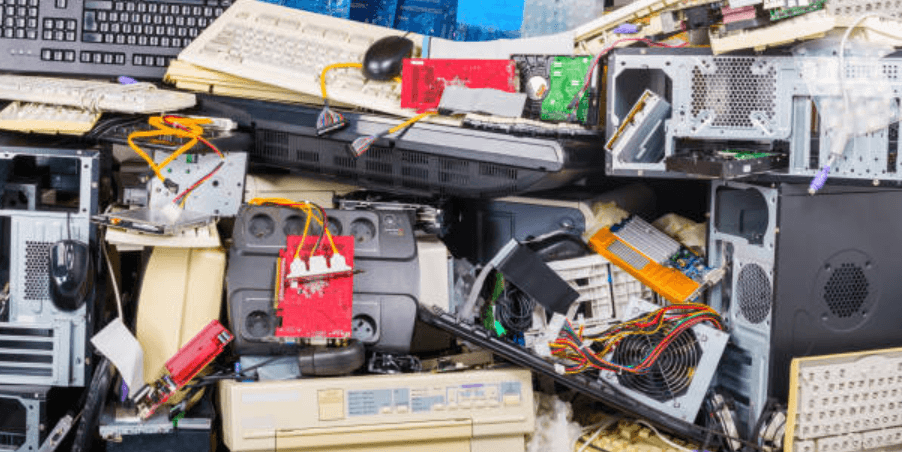
Hard disks contain materials that can be harmful to the environment if discarded improperly, including metals, plastics, and chemicals. Certified disposal services ensure environmentally responsible recycling, minimizing the ecological impact of retired technology.
Asset Recovery
In some cases, certified disposal providers can refurbish or recycle components of hard disks, allowing organizations to recover value from obsolete equipment while maintaining data security.
Methods of Certified Hard Disk Disposal
Certified disposal services employ various techniques to guarantee data cannot be accessed after disposal:
1. Data Wiping
Data wiping involves overwriting the contents of a hard disk multiple times using specialized software. This method allows the device to be reused or resold safely while ensuring that original data is unrecoverable.
- Pros: Retains hardware for resale or reuse.
- Cons: Time-consuming for high volumes of data.
2. Degaussing
Degaussing exposes magnetic storage media to strong magnetic fields, effectively erasing data stored on HDDs and other magnetic devices.
- Pros: Irreversible destruction for magnetic drives.
- Cons: Equipment cannot be reused after degaussing; not effective for SSDs.
3. Physical Destruction
Physical destruction methods include shredding, crushing, or incinerating hard disks and storage media to ensure complete data elimination.
- Pros: Provides the highest level of security assurance.
- Cons: Equipment is permanently destroyed and cannot be reused.
4. Certified Recycling
After data destruction, hard disk components are recycled according to environmental guidelines. Metals, plastics, and other materials are processed for reuse, while hazardous components are safely disposed of.
Steps in Certified Hard Disk Disposal
A structured approach ensures secure and compliant hard disk disposal:
1. Asset Inventory
Maintain a detailed inventory of all storage devices slated for disposal, including serial numbers, device type, and data classification. Proper inventory management ensures transparency and accountability.
2. Secure Transport
Devices should be transported to disposal facilities in tamper-evident containers with full chain-of-custody documentation. Secure transport prevents unauthorized access during transit.
3. Certified Data Destruction
Hard disks are subjected to certified data destruction processes appropriate for their type and sensitivity. Software wiping, degaussing, or physical destruction guarantees that data is irretrievable.
4. Verification and Documentation
Disposal providers issue certificates of destruction, which serve as legal proof of secure data destruction. Documentation typically includes the method used, date, serial numbers of destroyed devices, and personnel responsible.
5. Environmentally Responsible Disposal
Following data destruction, devices are recycled responsibly. Components are processed to recover materials and ensure safe disposal of hazardous elements, aligning with environmental compliance standards.
Benefits of Certified Hard Disk Disposal
Data Security
Certified disposal ensures that sensitive information cannot be recovered, reducing the risk of cyberattacks, identity theft, and corporate espionage.
Regulatory Compliance
Organizations can demonstrate adherence to industry regulations through documented disposal processes, avoiding fines, legal action, and audit complications.
Cost Efficiency
By securely disposing of outdated hard disks and recovering recyclable materials, companies can offset some costs associated with new hardware procurement.
Simplified IT Management
Certified disposal services streamline the end-of-life process for IT assets, allowing organizations to focus on core operations while ensuring data security and compliance.
Environmental Sustainability
Proper recycling reduces e-waste, prevents environmental contamination, and supports corporate sustainability initiatives.
See also: Technology-Enabled Digital Communication
Challenges in Hard Disk Disposal
Despite the benefits, organizations face challenges in disposing of hard disks securely:
- High Data Sensitivity: Protecting confidential data on devices with varying storage types requires expertise.
- Volume Management: Large organizations may retire thousands of storage devices, requiring scalable disposal processes.
- Regulatory Complexity: Compliance standards vary by industry and region, demanding strict adherence to legal requirements.
- Technological Advances: New storage media, such as SSDs and hybrid drives, require updated destruction methods.
Certified hard disk disposal services like E-XPIRE address these challenges by combining expertise, secure processes, and verifiable documentation.
Conclusion
Certified hard disk disposal services are essential for protecting sensitive information, ensuring regulatory compliance, and promoting environmental responsibility. By implementing structured disposal methods—including data wiping, degaussing, physical destruction, and responsible recycling—organizations can mitigate risk while maintaining operational efficiency.
Solutions like E-XPIRE provide secure, certified, and environmentally responsible hard disk disposal services, ensuring that sensitive data is permanently destroyed while supporting sustainability goals.
For organizations seeking reliable, secure, and compliant hard disk disposal solutions, contact us today to protect sensitive information and manage IT assets responsibly.