Understanding Medical Waste Management in Virginia
Medical waste management is a critical part of healthcare operations, ensuring that hazardous materials are handled safely and do not pose risks to people or the environment. In the state of Virginia medical waste disposal is strictly regulated to maintain public safety and environmental protection.
Healthcare facilities, including hospitals, clinics, dental offices, laboratories, and veterinary centers, must follow detailed procedures for collecting, storing, transporting, and disposing of regulated medical waste. These procedures are designed to reduce infection risks and ensure compliance with state and federal laws.
What Counts as Medical Waste?
Medical waste includes any material generated during the diagnosis, treatment, or immunization of humans or animals. It may also come from research or laboratory activities involving biological substances.
Common categories of medical waste include:
- Infectious waste: Items contaminated with blood or bodily fluids
- Sharps waste: Needles, syringes, scalpels, and broken glass
- Pathological waste: Human or animal tissues and organs
- Pharmaceutical waste: Expired or unused medications
- Chemical waste: Disinfectants, solvents, and laboratory chemicals
- Microbiological waste: Cultures and specimens from labs
Each type requires specific handling and disposal methods to prevent contamination and health hazards.
Regulatory Framework for Medical Waste in Virginia
Medical waste disposal in Virginia is regulated by state agencies such as the Virginia Department of Environmental Quality (DEQ) along with federal guidelines from the Environmental Protection Agency (EPA) and Occupational Safety and Health Administration (OSHA).
Key regulatory requirements include:
1. Waste Segregation at Source
All healthcare providers must separate medical waste from general waste at the point of generation. Proper segregation reduces contamination risks and improves disposal efficiency.
2. Proper Packaging Standards
Medical waste must be placed in approved containers such as:
- Red biohazard bags for infectious waste
- Puncture-resistant containers for sharps
- Leak-proof containers for liquid waste
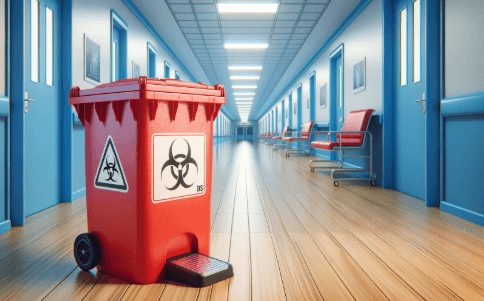
All containers must be clearly labeled with biohazard symbols.
3. Storage Requirements
Waste must be stored in secure, designated areas that are:
- Restricted to authorized personnel only
- Clearly marked with warning signs
- Maintained under safe temperature conditions
Storage time limits are also enforced to prevent decomposition and exposure risks.
4. Transportation Rules
Only licensed medical waste transport companies are permitted to move regulated waste. These transporters must maintain detailed tracking documentation known as a manifest system to ensure accountability.
5. Treatment and Final Disposal
Before final disposal, medical waste must be treated using approved methods such as autoclaving, incineration, or chemical disinfection. Treated waste is then disposed of in licensed landfills or facilities.
See also: 5 Steps to Choosing a Credit Card for Businesses
Why Proper Medical Waste Disposal Matters
Safe disposal of medical waste is not just a regulatory requirement—it is essential for protecting human health and the environment.
Improper disposal can result in:
- Spread of infectious diseases such as hepatitis or HIV
- Injury from contaminated sharps
- Soil and water pollution
- Legal penalties and financial fines
- Loss of public trust in healthcare providers
By following proper disposal protocols, healthcare facilities help ensure a safer community for patients, workers, and the general public.
Common Medical Waste Treatment Methods
Different types of waste require different treatment processes. The most commonly used methods in Virginia include:
Autoclaving
This process uses high-pressure steam to sterilize infectious waste, making it safe for landfill disposal.
Incineration
Incineration burns waste at extremely high temperatures, effectively destroying pathogens and significantly reducing waste volume.
Chemical Disinfection
Used mainly for liquid waste, this method involves adding disinfectants to neutralize harmful microorganisms.
Microwave Treatment
Some facilities use microwave technology to disinfect waste through controlled heat and moisture.
Each method is selected based on the type and risk level of the waste.
Best Practices for Healthcare Facilities
Healthcare providers in Virginia can improve compliance and safety by adopting the following best practices:
- Train staff regularly on waste segregation procedures
- Use color-coded containers for easy identification
- Maintain accurate records of waste generation and disposal
- Schedule frequent waste pickups to avoid overstorage
- Conduct internal audits to ensure compliance with regulations
These steps not only ensure legal compliance but also improve workplace safety and operational efficiency.
Environmental Responsibility in Medical Waste Management
Proper medical waste disposal also plays an important role in environmental protection. Unsafe disposal can lead to long-term contamination of ecosystems, while regulated treatment methods help reduce pollution and conserve natural resources.
Many healthcare organizations in Virginia are now adopting sustainable waste management practices, such as reducing single-use materials and improving recycling of non-hazardous waste.
Choosing a Medical Waste Disposal Partner in Virginia
Selecting a reliable waste disposal service provider is essential for compliance. A good provider should offer:
- Full compliance with Virginia DEQ regulations
- Licensed and trained personnel
- Secure transportation and tracking systems
- Flexible pickup schedules
- Proper documentation and reporting
Working with a professional service ensures that healthcare facilities remain compliant while focusing on patient care.
Conclusion
Medical waste disposal in Virginia is a highly regulated and essential process that protects both public health and the environment. From proper segregation to safe treatment and disposal, every step must follow strict guidelines set by regulatory authorities.
By understanding and following these requirements, healthcare facilities in Virginia can ensure safe operations, reduce environmental impact, and maintain full compliance with state and federal laws.