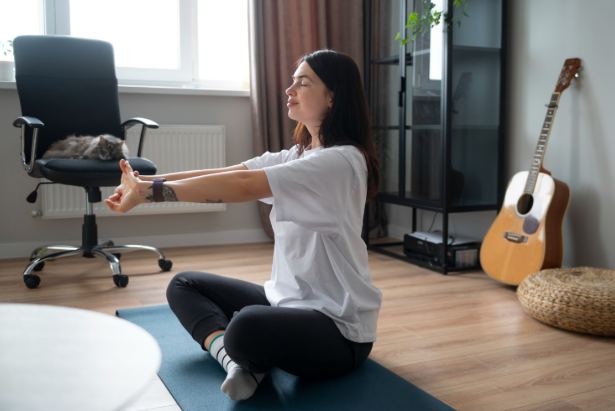
You can get real physical and mental benefits from chair yoga, especially if you have limited mobility, chronic pain, or want a gentle way to move more. Chair yoga adapts traditional poses so you can improve flexibility, strength, balance, and stress resilience while seated or using a chair for support.
Does Chair Yoga Really Work? This article will show how chair yoga works, what outcomes you can expect, and which factors, like consistency, modifications, and medical conditions, shape your results. Keep reading to learn practical guidance and simple poses that fit your body and goals.
Effectiveness of Chair Yoga
Chair yoga can increase flexibility, build modest strength, improve balance, reduce pain, and lower stress through breathing and relaxation. Many programs target older adults or people with mobility limits and report measurable improvements in mobility, mood, and daily function.
Scientific Evidence Supporting Chair Yoga
Randomized controlled trials and small cohort studies show chair yoga yields measurable gains in flexibility, balance, and pain reduction for older adults and people with chronic conditions. For example, controlled studies have reported improved Timed Up and Go (TUG) scores, increased joint range of motion, and lower self‑reported pain after 6–12 weeks of twice‑weekly classes.
Researchers also document mental‑health changes: reductions in anxiety and depressive symptoms and improved sleep quality appear in several trials that combine breathing, gentle movement, and guided relaxation. Study sizes vary and some lack long follow‑up, so effect sizes range from small to moderate. Still, the pattern across studies supports real, clinically relevant benefits for people with limited mobility.
Physical and Mental Health Benefits
Physically, chair yoga emphasizes joint-friendly range-of-motion, core activation, and seated balance work that reduces fall risk and eases stiffness. You can expect improvements in hip and shoulder flexibility, increased neck mobility, and gradual gains in lower‑body strength when sessions include repeated sit-to-stand and leg‑extension variations.
Mentally, the practice combines diaphragmatic breathing and brief meditative segments that lower perceived stress and improve mood. Participants commonly report less pain interference in daily tasks, better sleep onset, and greater confidence moving independently. Benefits scale with regular practice; even 15–30 minutes three times per week produces measurable change for many people.
Comparisons with Traditional Yoga
Chair yoga preserves key components of traditional yoga—breath coordination, alignment cues, and mindful movement—but adapts posture mechanics to a seated or supported stance. You lose some weight-bearing challenges and deep floor-based stretches, so absolute strength and certain balance skills develop less than in standing or mat practices.
Choose chair yoga when barriers like balance issues, joint pain, or limited floor mobility make traditional classes unsafe or impractical. If your goal is cardiovascular conditioning or advanced flexibility, supplement chair sessions with standing or mat work as tolerated. For rehabilitation, chair yoga often offers a safer, evidence‑based starting point with a lower injury risk.
Factors Influencing Chair Yoga Results
Results depend on how often you practice, the specific exercises you choose, and any health conditions you have. Instructor quality, session length, and whether you progress exercises also shape outcomes.
See also: Countertop Materials Quartz vs Granite: A Clear Comparison of Durability, Cost, and Style
Ideal Participants for Chair Yoga
You benefit most if you have limited mobility, balance issues, joint pain, or are recovering from injury. Chair yoga suits older adults, people with arthritis, those on prolonged bedrest, and office workers who need gentle movement.
Aim for sessions 2–4 times per week, 20–45 minutes each, to see measurable changes in flexibility and pain levels within 4–8 weeks. Look for classes led by certified instructors who modify poses and check form. If you use assistive devices, chair yoga can often accommodate them; tell the instructor about prosthetics, walkers, or recent surgeries before beginning.
Common Limitations and Misconceptions
Chair yoga does not replace high‑intensity cardio or heavy resistance training when your goal is large gains in aerobic fitness or maximal strength. Expect modest improvements in muscle tone and balance rather than dramatic weight loss or athletic performance gains.
Some people assume any seated movement counts as chair yoga; instead, you should perform intentional breathwork, alignment cues, and progressive variations. Medical conditions like unstable cardiac disease or uncontrolled blood pressure require clearance. If you experience sharp pain, dizziness, or worsening symptoms, stop and consult your clinician.