
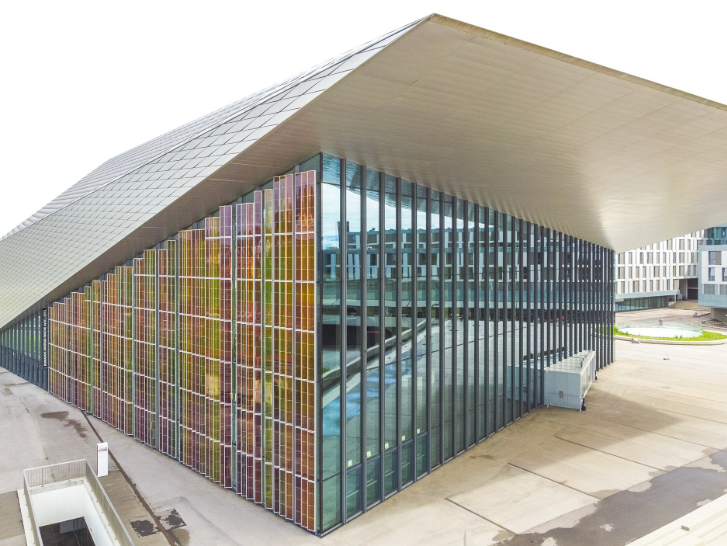
You can turn parts of your building—roof, façade, or windows—into electricity-producing elements without adding bulky panels. Building-integrated photovoltaics (BIPV) replace conventional building materials with solar-generating components, cutting energy use while preserving design and structure.
This article explains what Building Integrated Photovoltaics BIPV, is, where it best fits in modern construction, and the practical benefits you can expect, from aesthetic flexibility to energy savings. Expect clear comparisons with conventional rooftop systems, examples of common applications, and the trade-offs to weigh when considering BIPV for your project.
Overview of Building Integrated Photovoltaics (BIPV)
BIPV replaces or becomes part of building envelope elements to generate electricity while serving structural, weatherproofing, or aesthetic functions. You’ll find specific trade-offs between energy performance, material choice, and architectural intent in each application.
Definition and Core Concepts
Building-integrated photovoltaics (BIPV) are photovoltaic materials that form part of a building’s skin—roofing, façades, windows, or canopies—rather than being mounted on top. You get electricity generation combined with functions such as weather protection, daylighting, or thermal performance.
BIPV units can be modular or custom-shaped and connect to the building electrical system or grid. They often replace conventional building materials, so design must coordinate structural loads, fire and weatherproofing, and electrical routing. Performance depends on orientation, tilt, shading, and local irradiance.
Key metrics you’ll monitor include module efficiency (W/m²), system-level energy yield (kWh/yr), thermal behavior, and lifecycle carbon intensity. Integration early in design yields the best trade-offs between cost, performance, and aesthetics.
BIPV vs Conventional PV Systems
Conventional PV (BAPV) mounts panels onto an existing roof or rack, while BIPV becomes the building component itself. You sacrifice some installation simplicity for gains in material savings and architectural coherence with BIPV.
BIPV typically reduces the need for separate cladding or roofing materials and can provide multifunctional benefits like daylight control or acoustic dampening. However, you may face higher upfront costs, more complex detailing, and stricter regulatory/ fire-code considerations.
Energy density tends to be lower per dollar for BIPV compared to retrofit-mounted PV because of customization and integrated building functions. Still, lifecycle cost comparisons can favor BIPV when you account for avoided cladding, labor, and combined maintenance.
Key Components and Materials
BIPV systems consist of photovoltaic cells, encapsulants, backsheet or structural backing, glazing or cladding, mounting/structural interfaces, and electrical balance-of-system (inverters, wiring). Each layer must meet both building and electrical codes.
Common PV technologies for BIPV include crystalline silicon, thin-film (CIGS, CdTe), and emerging heterojunction or perovskite tandems. You’ll choose technology based on aesthetics, transparency (for windows), flexibility, efficiency, and durability.
Materials also vary by application: laminated glass units with embedded cells for curtain walls, solar roof tiles replacing shingles, and ventilated façade panels with integrated modules. Thermal expansion, moisture ingress, and fire resistance drive material selection and detailing.
Integration Strategies in Buildings
You can integrate BIPV during new construction or as part of major renovation. In new builds, coordinate structural supports, electrical distribution, and waterproofing from schematic design onward to avoid costly rework.
Common strategies:
- Roof integration: solar tiles, standing-seam PV, or full-coverage PV roofing.
- Façade integration: semi-transparent glazing, opaque cladding panels, or ventilated rainscreens.
- Building systems integration: connecting to on-site inverters, energy storage, and building energy management systems.
Design for maintainability and replacement access. Address shading from neighboring geometry and plan for thermal management—ventilated mounting or air gaps improves panel performance. Comply with local codes for fire, wind uplift, and electrical safety to ensure long-term viability.
See also: Bathroom Remodeling Near Me: Expert Tips for Efficient, Cost-Effective Upgrades
Applications and Benefits of BIPV
BIPV systems replace or augment building materials to produce electricity while adding thermal, acoustic, or daylighting functions. You will find uses across roofs, façades, skylights, and glazing that directly affect energy bills, design freedom, and building performance.
Commercial and Residential Use Cases
In commercial buildings, you can integrate BIPV into curtain walls and rooftop parapets to supply part of a building’s base load or offset lighting and HVAC demand. Large-format glass BIPV fits well in atria and offices where daylighting pairs with electricity generation, reducing lighting loads during peak sun hours.
For residences, BIPV shingles or façade panels replace conventional cladding or roof tiles. You reduce roof material and labor costs by combining structure and power generation. In retrofit scenarios, adjacent BAPV remains more common, but new builds benefit most from BIPV’s seamless integration and improved curb appeal.
Installation types you should consider:
- BIPV glazing for windows and skylights (daylight + PV).
- Roof-integrated modules replacing tiles or standing-seam metal roofs.
- Façade panels on south- or west-facing walls for additional harvest.
Architectural Design Opportunities
You can use BIPV to preserve or enhance an aesthetic objective while adding function. Manufacturers offer colored, textured, and semi-transparent modules that align with façade rhythms and window patterns.
BIPV broadens façade orientation options; for example, you can orient ventilated PV panels as brise-soleil to control solar gain and generate power simultaneously. You can also combine bifacial modules on light-colored atrium floors to capture reflected irradiance and increase yield without changing the building silhouette.
Design considerations to weigh:
- Module transparency vs. electrical output trade-offs.
- Thermal and moisture detailing where PV replaces weather barriers.
- Structural load and maintenance access integrated into architectural plans.
Energy Efficiency and Sustainability
BIPV contributes to on-site generation, lowering grid demand and transmission losses. You will directly reduce purchased electricity by producing energy where it’s consumed, which is especially valuable for peak shaving in commercial buildings.
Beyond electricity, BIPV elements can provide insulation, reduce thermal bridging, and act as solar control, cutting HVAC loads. Choosing high-efficiency cells, optimizing tilt and orientation, and integrating energy storage or smart controls increases the fraction of building demand met by solar.
Performance factors to monitor:
- Annual kWh/m² based on orientation and local irradiance.
- Temperature coefficients and ventilation behind modules.
- System integration with meters, inverters, and battery storage for load matching.
Economic and Environmental Impact
You can lower lifecycle costs by combining cladding and PV installation, reducing material and labor compared with separate systems. Upfront costs remain higher per watt than standard rooftop PV, but incentives, avoided cladding replacement, and energy savings improve payback in many projects.
Environmentally, BIPV cuts embodied carbon when replacing high-carbon façade materials and reduces operational emissions by displacing grid electricity. Life-cycle assessments favor BIPV for long-lived buildings where modules serve dual roles and extend the functional life of building skins.
Financial and environmental metrics to evaluate:
- Levelized cost of energy (LCOE) including avoided façade costs.
- Payback period with local incentives and electricity tariffs.
- CO2e avoided per year relative to baseline building materials and grid mix.





