You notice the small things first. A tooth that cracked when it should not have. A crown that never felt quite right. Dentures that slip when you eat or speak. A bite that feels off enough to make you think about it all day. Dental problems like these are not only cosmetic. They affect comfort, confidence, chewing, speech, and sometimes your health. That is where prosthodontists matter, and where a cosmetic dentist in Torrance, CA may also play an important role. They are the dental specialists trained to rebuild teeth and restore function when treatment needs more precision than routine care alone.
If you have been told you need crowns, bridges, veneers, implants, or full mouth reconstruction, you may already feel overwhelmed by cost, timing, and the fear of getting it wrong. That reaction makes sense. Restorative work is an investment, and when your teeth do not work the way they should, daily life gets harder fast. A prosthodontist focuses on replacing and restoring teeth in a way that supports your bite, jaw, appearance, and long term oral health. For many patients, that level of planning is the difference between a repair that simply fills space and a result that truly functions.
Prosthodontists bring advanced skill to restorative dental care
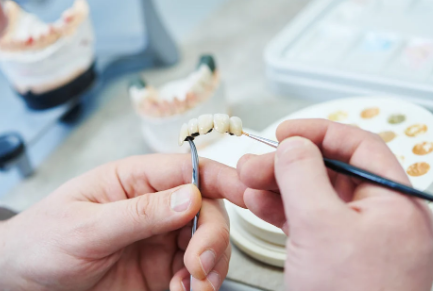
A prosthodontist is a dentist who completes extra years of training in restoring and replacing teeth. That training covers crowns, bridges, dentures, implants, veneers, jaw function, and complex cases involving worn teeth, missing teeth, trauma, or congenital conditions. The University of Rochester Medical Center explains what a prosthodontist is in clear terms, and the short version is this. They handle the cases where fit, function, and appearance all have to work together.
That matters because teeth do not exist in isolation. One poorly shaped crown can change how your bite lands. One missing tooth can shift pressure onto the rest. Dentures that seem acceptable at first can create sore spots, speech changes, or trouble eating. You may think you only need one tooth fixed, but the real issue may be how that tooth fits into the full system of your mouth.
This is why prosthodontists in restorative dentistry are so important. They do not just look at the damaged area. They evaluate how your teeth meet, how your jaw moves, how restorations will wear over time, and how the final result will look when you smile and speak. That broader view helps prevent the cycle many patients know too well, getting one repair, then another, then another because the first plan did not solve the underlying problem.
Complex dental problems need more than a basic fix
General and cosmetic dentists provide valuable care, and many restorative treatments are handled well in general practice. Still, some situations need a higher level of planning. Harvard School of Dental Medicine describes prosthodontic care as treatment for complex oral rehabilitation, and that word, rehabilitation, gets to the heart of it. The goal is not simply to patch damage. The goal is to restore what has been lost.
Think about someone with several worn teeth from grinding. If each tooth is treated one by one without addressing the bite, the damage often continues. Or consider a patient missing multiple teeth who wants implants. The placement, spacing, gum support, and final bite all have to be coordinated. If those details are off, the result may look decent at first but feel wrong every day after.
Columbia’s prosthodontics division outlines the scope of prosthodontic treatment, which includes oral rehabilitation, implants, esthetics, and management of complex restorative needs. That range matters because many patients do not fall neatly into one category. A person may want cosmetic improvement, but the real issue is structural. Another may seek a single implant, but the surrounding bite has to be corrected first.
Specialists for tooth restoration often become critical when there are several moving parts, multiple missing teeth, failed past dental work, or problems with jaw comfort and bite alignment. In those cases, precision is not a luxury. It protects the outcome.
Restorative dentistry works best when function leads the plan
A smile can look good in a photo and still fail in real life. That is one of the hardest truths in dentistry. If a restoration does not support chewing forces properly, if margins are poor, or if the bite is unstable, appearance alone will not save it. You may end up with chips, looseness, discomfort, or repeated repairs.
This is where a prosthodontist changes the course of care. In restorative dentistry, success depends on function first, then esthetics built on top of it. That does not mean appearance is secondary. It means beauty lasts better when the foundation is sound. A well designed crown should blend naturally and also protect the tooth. A denture should look natural and also stay stable during meals and conversation. An implant should fill the gap and also distribute force in a healthy way.
| Situation | General Restorative Approach | Prosthodontic Approach |
|---|---|---|
| Single damaged tooth | Often treated with a filling or crown if the case is straightforward | Used when the tooth is part of a larger bite or esthetic problem |
| Multiple missing teeth | May involve bridges, dentures, or implants | Full treatment planning for bite, spacing, support, and long term function |
| Worn or broken teeth across the mouth | Repairs may be done tooth by tooth | Whole mouth evaluation to rebuild bite and reduce future damage |
| Failed past dental work | Replacement of the problem restoration | Search for the cause, including bite imbalance, fit issues, or structural overload |
| High esthetic demands | Cosmetic improvement focused on appearance | Appearance designed together with function, symmetry, and durability |
Clear next steps help you avoid costly repeat treatment
Ask whether your case is simple or complex. If you need one crown on one healthy tooth, a general and cosmetic dentist may be the right fit. If you have several missing teeth, bite changes, worn enamel, implant planning, or repeated failures, ask whether a prosthodontic evaluation would help.
Request a treatment plan that explains function, not only appearance. You should understand how the restoration will affect chewing, speech, comfort, and long term wear. If the plan focuses only on how it will look, you are missing half the picture.
Get a second opinion before major restorative work. This matters most for full mouth reconstruction, implant cases, or replacing multiple restorations at once. A second opinion can confirm the plan or reveal a better path before you commit time and money.
Better outcomes in restorative dentistry start with the right specialist
If your dental needs are more than routine, your care should be too. Prosthodontists are critical for restorative dentistry because they rebuild smiles with the full system in mind, your bite, your comfort, your appearance, and how the work will hold up over time. That kind of planning can save you from frustration, repeat treatment, and results that never feel right. If you are weighing major dental work, ask whether a prosthodontic consultation belongs in your next step.