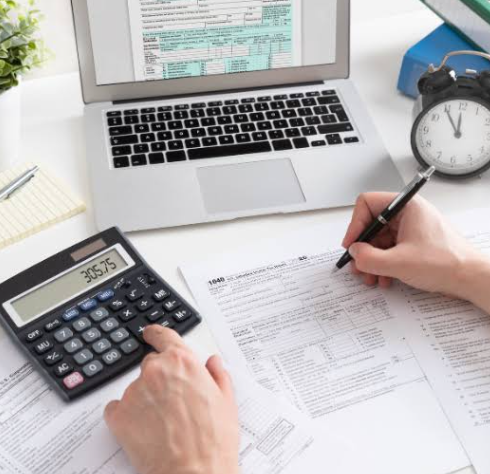
You might be feeling pulled in two directions at once. On one side, you want to keep your business moving, serve clients, and bring in revenue. On the other, there is the quiet pressure of tax rules, receipts, deadlines, and forms that never seem to end. That is why many business owners turn to San Antonio business advisors for guidance. It is easy to tell yourself you will sort it out later, until later turns into a stack of missing records or a return that suddenly feels risky to file.
That is often the turning point. Before hiring help, many business owners are doing their best with spreadsheets, bank statements, and memory. After bringing in a Certified Public Accountant, the process usually becomes clearer, calmer, and far less reactive. The short version is simple. Hiring a CPA can help you avoid poor recordkeeping, tax return errors, and filing mistakes that cost time and money.
Why do small tax mistakes feel so big when you are handling everything yourself?
Most tax problems do not start with fraud or carelessness. They start with overload. You are busy, the rules are not always plain, and a small choice can have larger effects later. Maybe you mix personal and business expenses. Maybe you forget to track mileage. Maybe you assume your software caught everything. Because of this tension, you might wonder whether the risk is really that serious.
In many cases, it is. The IRS stresses the importance of good business recordkeeping because your records support your income, expenses, deductions, and credits. If those records are incomplete, you may miss deductions you deserve or claim ones you cannot support. Either way, the result can be stress, delays, or extra tax.
This is where one of the main mistakes a CPA helps prevent becomes clear. A CPA does not just fill out forms. A CPA helps you build a system that makes those forms easier to complete correctly.
What are the 3 common mistakes avoided by hiring a CPA?
1. Poor recordkeeping that creates tax problems later.
It often starts small. A missing receipt here, an untracked cash expense there, a few months of bookkeeping that never quite got updated. Then tax season arrives, and suddenly you are trying to rebuild a year of financial history from bank feeds and old emails. That process is draining, and it can also lead to incorrect reporting.
A CPA helps create order before things spiral. That includes separating personal and business expenses, organizing documents, and making sure your books reflect what actually happened. For small business owners, this is one of the clearest benefits of hiring a CPA for taxes.
2. Common tax return errors that trigger delays or notices.
Some errors are simple, but still costly. Missing taxpayer information, math mistakes, wrong filing status, incorrect income reporting, and overlooked credits all show up often enough that the IRS has a page devoted to common tax return mistakes to avoid. Even when the issue gets corrected, the time and worry involved can be exhausting.
A CPA reviews the return with a different lens. Instead of rushing to file, the goal is to file accurately. That means checking forms, matching income documents, confirming deductions, and spotting inconsistencies before they become letters in your mailbox.
3. Missing filing and recordkeeping requirements for a small business.
This is the mistake many people do not see coming. A business may have payroll obligations, estimated tax requirements, sales tax rules, or entity-specific filing duties. If you are focused on daily operations, it is easy to miss one deadline and then another. The Taxpayer Advocate Service outlines small business filing and recordkeeping requirements because these obligations can be easy to underestimate.
So, where does that leave you? If your business has grown beyond a very simple return, relying on guesswork can become expensive. A CPA helps you understand what applies to your situation now, not just what applied when you first started.
See also: Why Small Business Owners Benefit From Advisory Services
How does DIY tax filing compare to working with a Certified Public Accountant?
There is nothing wrong with handling things yourself when your tax situation is simple and organized. But once multiple revenue streams, contractors, payroll, deductions, or business purchases enter the picture, the gap between DIY and professional support gets wider.
| Area | DIY Approach | Hiring a Certified Public Accountant |
| Recordkeeping | Often reactive, built around tax season pressure | Structured system for tracking income, expenses, and documents year round |
| Error Risk | Higher chance of missed forms, wrong entries, or unsupported deductions | Review process helps catch issues before filing |
| Time Cost | Can take many hours gathering and correcting information | Saves time by creating a repeatable process |
| Tax Strategy | Often limited to data entry and basic software prompts | Offers planning insight based on your business activity |
| Peace of Mind | Uncertainty about whether everything was done right | Clearer understanding of obligations and next steps |
For many owners, the real cost of doing it alone is not only money. It is the mental load. When you are carrying uncertainty all year, even a small tax task can feel heavier than it should.
What can you do right now to avoid these accounting mistakes?
1. Gather and separate your records.
Start with bank statements, receipts, invoices, payroll records, and prior tax returns. Separate business and personal transactions as much as possible. If they are mixed together, flag the problem now instead of hoping it will sort itself out later.
2. Review your filing obligations.
Make a list of what your business may owe or need to file, including income tax, estimated payments, payroll filings, and any state or local requirements. This step alone can reveal gaps that have been hiding in plain sight.
3. Talk with a CPA before the deadline pressure peaks.
Do not wait until the week everything is due. A conversation earlier in the process gives you time to fix records, correct classifications, and make better decisions. That is one of the simplest ways to avoid tax mistakes small businesses make and get more value from accounting support.
Could hiring a CPA give you more than cleaner numbers?
Yes, and that matters. A good CPA service can give you breathing room. When your records are organized and your filings are handled with care, you can make decisions with more confidence. You are not just trying to survive the next deadline. You are building a business on clearer financial ground.
If tax season has been feeling heavier every year, it may be time to stop carrying it alone. A certified public accountant can help you avoid preventable errors, protect your time, and bring more clarity to the financial side of your business.