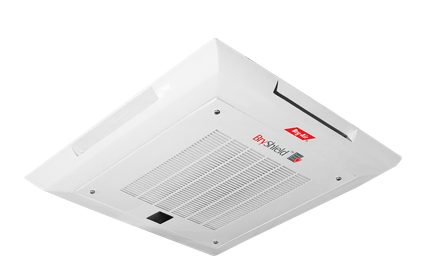
Importance of Clean Air in Server and Data Rooms
Server rooms and data centers operate continuously and support critical digital infrastructure. These environments are designed with strict temperature and humidity control, yet air quality management often determines long term equipment reliability. Airborne contaminants, including corrosive gases and molecular pollutants, can gradually damage circuit boards, connectors, and sensitive electronic components. Even when dust levels are controlled, gaseous contaminants remain a serious concern.
To address these risks, advanced filtration systems such as the Honeycomb Air Filter are increasingly deployed in modern facilities. These filters are engineered to capture and neutralize harmful gaseous pollutants that traditional particulate filters cannot remove. By improving molecular level air purification, honeycomb structured filters help maintain stable operating conditions for sensitive IT equipment.
Airborne contamination often originates from outdoor pollution, industrial emissions, vehicle exhaust, building materials, and internal chemical sources. Once these contaminants enter the server environment, they can interact with metallic surfaces and cause corrosion. Over time, this chemical reaction reduces conductivity and increases the risk of system malfunction. Effective air filtration is therefore essential for maintaining uptime and operational continuity.
Understanding Honeycomb Air Filter Technology
Honeycomb air filters are designed with a structured matrix that maximizes surface area while maintaining low airflow resistance. The honeycomb design allows air to pass evenly through multiple channels filled with specialized adsorbent media. This configuration enhances contact between contaminated air and filtration material, improving removal efficiency.
Unlike conventional flat panel filters, honeycomb filters provide a deeper bed of adsorbent media within a compact structure. The increased media depth allows greater adsorption capacity, which extends service life and enhances contaminant removal performance. These filters are especially effective against corrosive gases such as sulfur compounds, nitrogen oxides, and other airborne molecular contaminants.
The core advantage of honeycomb technology lies in its balance between airflow and filtration efficiency. Server rooms require consistent airflow to maintain cooling performance. A filtration system must remove pollutants without creating excessive pressure drop. Honeycomb filters are engineered to achieve this balance, ensuring that air purification does not compromise HVAC efficiency.
Key Advantages of Honeycomb Structured Filters
Honeycomb air filtration systems offer several operational benefits for server and data center environments:
• High adsorption capacity due to increased media surface area
• Uniform airflow distribution for consistent purification
• Low pressure drop supporting energy efficient HVAC performance
These advantages contribute to long term protection of electronic equipment and improved reliability across the facility.
The Role of Molecular Filtration in Corrosion Prevention
Electronic components contain metals such as copper and silver that are highly sensitive to chemical exposure. When corrosive gases are present, they react with these metals and form non conductive compounds. This process can disrupt signal transmission and lead to hardware degradation.
Molecular filtration systems are designed to capture gaseous pollutants before they interact with sensitive equipment. Honeycomb filters utilize activated carbon or chemically impregnated media to adsorb and neutralize these contaminants. This process reduces the concentration of corrosive gases circulating within the server environment.
In high density computing facilities, even minor contamination can accumulate over time and cause significant damage. Continuous molecular filtration ensures stable air quality, minimizing the risk of corrosion related failures. This preventive approach supports consistent system performance and extends equipment lifespan.
Ethylene Filters and Specialized Gas Control
Certain environments require targeted removal of specific gases, including ethylene. Although commonly associated with agricultural settings, ethylene can also be present in industrial or mixed use environments. Advanced ethylene filters are integrated into molecular filtration systems to provide enhanced protection against such contaminants.
Ethylene filters use specialized adsorbent materials designed to capture low concentration gases efficiently. These materials maintain performance stability across varying temperature and humidity levels. By incorporating ethylene control capabilities, honeycomb filtration systems deliver broader molecular protection.
Targeted gas removal is particularly important in facilities located near industrial zones or urban centers. Comprehensive molecular filtration ensures that a wide range of pollutants is addressed, supporting optimal air quality within the server room.
See also: business analytics strategy report
Benefits of Targeted Gas Filtration
The inclusion of specialized gas control solutions provides measurable advantages:
• Improved protection against diverse molecular contaminants
• Reduced risk of long term corrosion on sensitive components
• Enhanced environmental stability within critical infrastructure spaces
These benefits contribute to higher reliability and consistent operational output.
Integration with HVAC and Air Handling Systems
For maximum effectiveness, honeycomb air filters are integrated directly into HVAC and air handling systems. This centralized approach ensures that all incoming air is purified before circulation throughout the server room. Proper placement within air handling units allows uniform distribution of clean air across racks and equipment zones.
System design must ensure adequate airflow velocity and proper sealing to prevent bypass leakage. Balanced airflow across the honeycomb matrix enhances contaminant capture efficiency. Maintaining low pressure drop is critical for preserving cooling performance and minimizing additional energy consumption.
Advanced installations may include multi stage filtration, combining particulate and molecular filters within a single air handling framework. This layered approach addresses both dust particles and gaseous contaminants, creating a comprehensive air quality management solution.
Monitoring and Maintenance Considerations
Continuous air quality monitoring enables facilities to track contamination levels and evaluate filter performance. Sensors can detect changes in corrosive gas concentration, allowing timely maintenance and media replacement. Proactive monitoring reduces the risk of unexpected equipment exposure to harmful pollutants.
Honeycomb filters are designed for ease of replacement and maintenance. Over time, adsorbent media becomes saturated and must be replaced to maintain efficiency. Scheduled inspection and performance testing ensure consistent protection.
Data driven maintenance planning improves operational efficiency and reduces long term costs. By preventing corrosion related damage, facilities avoid costly repairs and system interruptions. Effective air filtration management supports sustainable data center operations.
Energy Efficiency and Sustainability
Energy efficiency is a primary consideration in modern data centers. Filtration systems must deliver high contaminant removal performance without increasing overall energy demand. Honeycomb structured filters are engineered to maintain optimal airflow with minimal resistance, supporting efficient HVAC operation.
Sustainable design principles also influence filtration technology development. Advanced media formulations aim to maximize lifespan and reduce replacement frequency. Environmentally responsible manufacturing processes further enhance the sustainability profile of filtration systems.
Balancing performance with energy efficiency ensures that air quality improvements align with broader environmental and operational goals.
Future Trends in Server Room Air Filtration
As data processing demands increase, server environments are becoming more compact and densely populated. Higher equipment density generates additional heat and increases the importance of precise environmental control. Molecular air filtration will continue to play a vital role in protecting advanced electronic infrastructure.
Innovations in adsorbent materials and filter design are improving contaminant removal efficiency while reducing energy consumption. Smart monitoring systems provide real time insights into air quality and filtration performance. These technologies support predictive maintenance and optimized system operation.
Modular filter designs allow scalability for expanding facilities. Organizations can upgrade filtration capacity without major structural changes. This flexibility supports long term infrastructure growth and technological advancement.
Conclusion
Maintaining clean air in server rooms and data centers is essential for protecting sensitive electronic equipment from corrosive gases and molecular contaminants. Honeycomb air filter technology provides a highly efficient solution by combining structured airflow design with advanced adsorbent media. This approach ensures comprehensive molecular purification while supporting energy efficient HVAC operation.
The inclusion of specialized ethylene filters enhances protection against targeted gases, delivering broader environmental control. Integrated monitoring and maintenance strategies further strengthen reliability and operational stability.
For advanced air filtration solutions designed to safeguard mission critical environments, explore the innovative technologies offered by Bry-Air. Their expertise in molecular air purification supports long term performance and protection for modern server facilities.